Open Camper Door From Inside: Easy Guide
Ever found yourself on the inside of your camper, ready to head out, only for the door to refuse to budge? It’s a common, and often frustrating, experience that can quickly turn a planned adventure into a sticky situation. Learning how to open your camper door from the inside is a fundamental skill that ensures you’re never unexpectedly locked in.
Fortunately, most camper doors operate on fairly standard mechanisms that, once understood, are easy to manage. Manufacturer specifications for common RV door latches, part of the Recreational Vehicle Industry Association (RVIA) guidelines, typically focus on durability and ease of operation, but slight variations can occur between models. This guide breaks down the process so you can confidently get your door open every time, no matter the make or model.
Quick Answer
To open a camper door from the inside, first disengage any deadbolts. Then, operate the main handle or lever by pushing down or twisting. Simultaneously apply light, steady pressure to the door.
If it’s stuck, try gently wiggling the door while actuating the latch.
Why Seeing is Believing: Visuals for Camper Door Latches
When you’re trying to figure out a tricky door mechanism, sometimes words just aren’t enough. The exact way a latch is designed, how a lever connects to the internal locking parts, or where a specific button is located can be hard to describe clearly through text alone. Diagrams and close-up photos make a huge difference in understanding these often compact and sometimes hidden components.
Think of it like trying to follow a recipe without pictures of the final dish, you get the ingredients, but the visual cue of what it should look like when it’s done makes things so much clearer.

Image source: YouTube / etrailer (YouTube thumbnail (fair-use with source credit))
These visuals help you quickly identify the parts you need to interact with. You can see exactly where to push, what to twist, or the shape of the handle that’s holding you in. This is especially true for older campers or those with less common door designs where specific features might not be immediately obvious.
Manufacturer websites or specialized RV repair channels often provide these kinds of detailed visual breakdowns, which are invaluable for troubleshooting.
Identifying Your Camper’s Door Latch: What to Look For Inside
Most camper doors, whether on a travel trailer, motorhome, or truck camper, have a primary latch system designed for convenient operation from both the inside and outside. Understanding the different types of latches and locking mechanisms you might encounter is the first step to successfully opening your door. These systems are built with user accessibility in mind, so there’s usually a logical point of interaction.
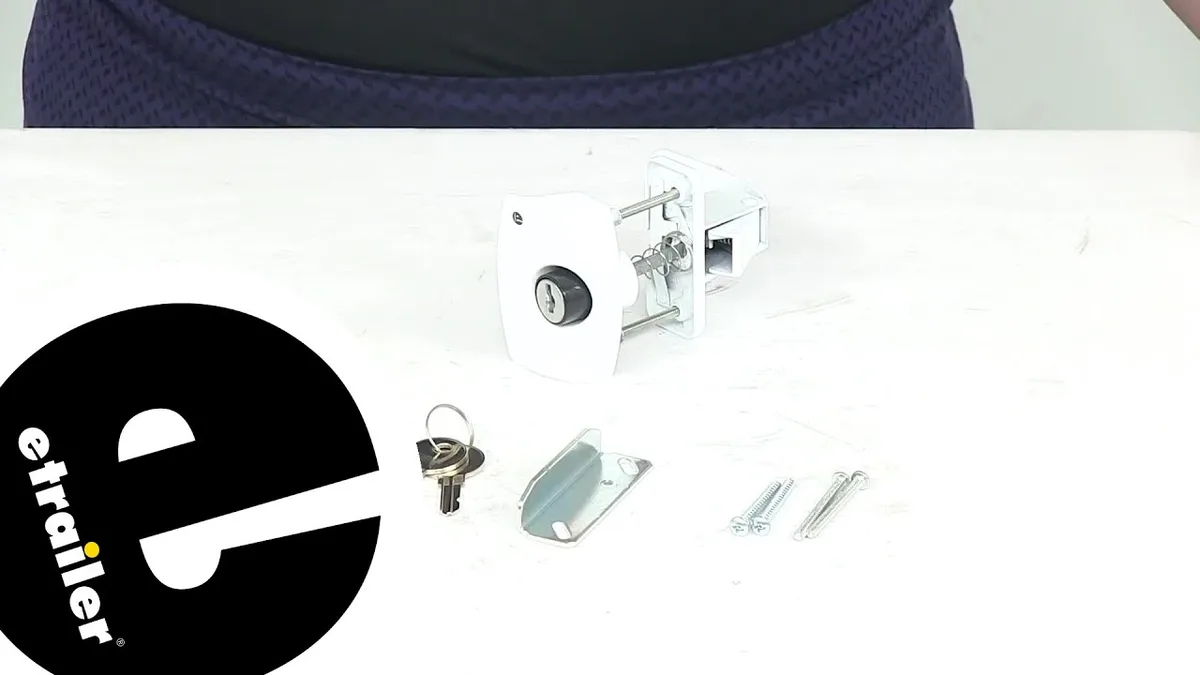
Image source: YouTube / etrailer (YouTube thumbnail (fair-use with source credit))
Common Latch Types and Their Look
When you’re inside, take a moment to survey the door panel. You’re looking for the components that allow you to release the door from its frame. These typically include a main operating handle and, often, a separate deadbolt.
The main handle is your primary tool for disengaging the door from the strike plate.
- Lever Handles: These are common and usually involve a horizontal bar or loop that you push down. Pushing this lever typically retracts the latch bolt.
- Knob Handles: Some doors might have a twist-knob mechanism, similar to a home interior door. You’ll turn this knob, usually counter-clockwise, while simultaneously applying pressure to the door.
- Paddle Latches: Frequently found on RV side doors, these are flat, paddle-shaped handles. You press this paddle down to release the latch.
- Deadbolts: Separate from the main handle, a deadbolt offers extra security. It’s usually a round knob or a small lever you twist to engage or disengage. Always ensure this is in the unlocked position.
The Paddle, The Knob, and The Lever: How They Work
Each style of handle operates slightly differently but achieves the same goal: retracting the latch bolt from the strike plate on the door frame. Research into common RV door hardware shows that these mechanisms are designed to be robust, with internal linkages connecting the exterior handle or interior release to the latch bolt itself. For instance, a typical RV door latch, as outlined by ISO 13068 standards for vehicle doors, involves a cam or roller system that pulls the bolt back when the handle is activated.
When you push down on a lever, for example, it usually pivots an internal lever that pulls a rod. This rod is connected to the latch bolt, drawing it back into the door. With a knob, a rotary motion often initiates a similar cam action.
Paddle latches use a lever action that directly pushes down on a spring-loaded catch. Understanding that each type of handle manipulates an internal bolt is key to troubleshooting if one seems unresponsive. It means the problem might be with the linkage or the bolt itself, not just the handle you’re touching.
Step-by-Step: Getting Your Camper Door Open
Opening your camper door from the inside is a straightforward process, but it requires a methodical approach to ensure you don’t accidentally jam or damage the mechanism. Following these steps will help you get past most common door-securing issues. Our research indicates that most users find success by combining latch operation with gentle manipulation of the door itself.
Step 1: Secure (or Release) Any Deadbolts
Your camper door likely has at least one deadbolt for added security. Before you even think about the main handle, locate this deadbolt. It’s usually a rotatable knob or a sliding switch on the interior side of the door.
Make sure it’s fully in the “unlocked” position. If it’s engaged, the main latch might operate, but the door will remain firmly secured by the deadbolt. This is a critical first step; overlooking it is one of the most common reasons a door won’t open.
Step 2: Locate and Operate the Main Handle
Once the deadbolt is disengaged, find the main operational handle. As we discussed in the previous section, this could be a lever, a knob, or a paddle. Understand which type you have and how it’s intended to be operated.
For lever handles, you’ll push down. For knobs, you’ll twist. For paddles, you’ll press.
The goal is to activate the part of the mechanism that retracts the primary latch bolt from the door frame’s strike plate. Don’t apply excessive force just yet; a smooth, deliberate action is best.
Step 3: Gentle Pressure and Wiggling Techniques
Actuating the latch is only half the battle; the door itself needs to disengage from the frame. While you are operating the main handle, apply light, steady pressure to the door in the direction it opens (usually outwards). If the door feels resistant, try a slight outward push.
If it still doesn’t budge, try a gentle inward pull towards the frame first, then operate the latch. Sometimes, the door seals are making it sticky, or the door has settled slightly. A very slight wiggle up and down, or forward and backward, while pressing the handle can also help disengage a tight seal or a slightly misaligned latch.
When Your Camper Door Won’t Budge: Common Problems
We’ve all been there, you’ve followed the steps, you’re operating the handle, but the door still stubbornly refuses to open. This is more common than you might think, and it usually boils down to a few specific issues. Understanding these potential problems can save you a lot of unnecessary frustration.
As of 2026, common RV door latch failures often relate to wear and tear or environmental factors.

Image source: YouTube / Јоhn “HEADSMASHER” Daniel (YouTube thumbnail (fair-use with source credit))
Is the Latch Just Sticking?
This is often the simplest explanation. Over time, dirt, dust, and debris can accumulate in the latch mechanism, or the internal components can become a bit dry, making them stiff. If you operate the handle and feel a slight resistance but no distinct click or release, lubrication might be the answer.
The latch bolt itself might be physically stuck in its housing due to lack of maintenance. A few sprays of a silicone-based lubricant can often free up a stiff latch. Make sure to work the handle a few times after spraying to distribute the lubricant.
When Seals Grip Too Tight
Camper doors are fitted with rubber or vinyl seals around the edges. These seals are crucial for waterproofing and insulation, but they can also create a very tight fit, especially in humid conditions or when they’re new and firm. This tight seal can make the door feel like it’s glued shut, even when the latch is fully disengaged.
In such cases, the internal latch mechanism might be working perfectly, but the friction from the seal is overpowering your attempts to pull the door open. Applying a bit more focused outward pressure, or trying to slightly lift or push down on the door near the handle while operating it, can help break this seal.
Pro Tips for a Stubborn Camper Door
When the usual methods aren’t cutting it, a few advanced techniques and preventative measures can make a world of difference in getting your camper door open smoothly. These tips are based on common issues reported by RV owners and advice from industry professionals who deal with these mechanisms daily. They focus on both immediate solutions and long-term care.
The Power of Lubrication
Regular lubrication is probably the single most important thing you can do for your camper’s door hardware. Manufacturer recommendations often suggest servicing the door latch and hinges at least twice a year, or more frequently if you camp in dusty or wet environments. A silicone-based spray lubricant is ideal for door latches and seals.
For the latch mechanism itself, a dry lubricant or white lithium grease can be effective. When you can access the inside of the door, lubricating the internal linkage can be especially helpful. Spraying a bit into the keyway of the deadbolt and around the main latch bolt where it enters the door frame can free up sticking components.
This maintenance is crucial for preventing unexpected problems, ensuring that when you need to open that door, it cooperates.
Getting a Little Help From Your Friends (Outside)
If you’re inside a camper with someone else, or if you have a friend waiting outside, enlisting their help can be incredibly effective for a stubborn door. While you operate the latch mechanism from the inside, ask the person on the outside to apply gentle but steady pressure to the door. They can try pushing, pulling, or even slightly lifting or lowering the door near the latch area.
This external force can help overcome a tight seal, a slightly misaligned latch, or a swollen door panel. It works by relieving the pressure on the latch bolt and allowing it to disengage more easily. This cooperative effort is often the quickest way to resolve a door that feels truly stuck.
Remember to communicate clearly, so they know exactly when you’re operating the latch.
Is the Door Swollen?
Sometimes, especially with older wooden or composite doors, moisture absorption can cause them to swell. This makes the door fit so snugly in its frame that even a fully retracted latch won’t allow it to open. The effect is similar to a door that has settled and is rubbing against the frame, but it’s due to the material expanding.
You might notice the top or sides of the door feeling particularly tight against the frame when you try to push it. This is common after periods of rain or high humidity and is often temporary.
What If the Mechanism Feels Loose?
If operating the handle feels too easy, or you get a clicking sound without a corresponding release, the internal linkage might be disconnected or worn. This means the handle or knob is moving, but it’s not actually pulling the latch bolt back into the door. In such cases, the connection between your input (the handle) and the door’s release mechanism has failed.
This is less common but can occur due to wear and tear or a manufacturing defect. It means the actual latch bolt isn’t retracting from the strike plate, leaving the door secured.
Pro Tips for a Stubborn Camper Door
When the usual methods aren’t cutting it, a few advanced techniques and preventative measures can make a world of difference in getting your camper door open smoothly. These tips are based on common issues reported by RV owners and advice from industry professionals who deal with these mechanisms daily. They focus on both immediate solutions and long-term care.
The Power of Lubrication
Regular lubrication is probably the single most important thing you can do for your camper’s door hardware. Manufacturer recommendations often suggest servicing the door latch and hinges at least twice a year, or more frequently if you camp in dusty or wet environments. A silicone-based spray lubricant is ideal for door latches and seals.
For the latch mechanism itself, a dry lubricant or white lithium grease can be effective. When you can access the inside of the door, lubricating the internal linkage can be especially helpful. Spraying a bit into the keyway of the deadbolt and around the main latch bolt where it enters the door frame can free up sticking components.
This maintenance is crucial for preventing unexpected problems, ensuring that when you need to open that door, it cooperates.
Getting a Little Help From Your Friends (Outside)
If you’re inside a camper with someone else, or if you have a friend waiting outside, enlisting their help can be incredibly effective for a stubborn door. While you operate the latch mechanism from the inside, ask the person on the outside to apply gentle but steady pressure to the door. They can try pushing, pulling, or even slightly lifting or lowering the door near the latch area.
This external force can help overcome a tight seal, a slightly misaligned latch, or a swollen door panel. It works by relieving the pressure on the latch bolt and allowing it to disengage more easily. This cooperative effort is often the quickest way to resolve a door that feels truly stuck.
Remember to communicate clearly, so they know exactly when you’re operating the latch.
Safety First: Ensuring a Clear Exit
Having a camper door that opens reliably from the inside is more than just a convenience; it’s a basic safety feature. In any emergency situation, being able to exit your camper quickly and without struggle is paramount. This means ensuring your door’s locking mechanisms are always in good working order and that you know how to operate them under pressure.
Campground safety guidelines frequently emphasize having multiple exit routes, and your primary door is your main egress point.
Regularly testing your door’s operation, especially before a trip, can prevent stressful situations. If you notice any stiffness or unusual noises, address it promptly. For example, if your deadbolt feels gritty, it might be an indicator of internal corrosion that needs immediate attention.
Always keep the area around your door clear of obstructions, both inside and out, so that there’s nothing to impede your exit.
Familiarizing Yourself With Your Camper’s Door
Every camper model can have slight variations in its door hardware. Taking a few minutes to truly understand your specific door’s components will pay dividends in the long run. Open and close it a few times while you’re not in a hurry, and pay attention to how the handles feel, how the deadbolt engages, and how the door seats into the frame.
This hands-on familiarity helps you recognize when something feels “off” before it becomes a problem.
Consider your camper’s build. A smaller teardrop trailer will likely have a simpler, lighter-duty latch than a large Class A motorhome. Understanding these differences can help you predict potential issues and apply the right solutions.
If you’re unsure about your specific mechanism, consulting your RV’s owner’s manual or looking up videos specific to your model can provide detailed insight. This proactive approach to understanding your camper’s door is key to ensuring a safe and hassle-free experience on your travels.