Is Kelty a Good Tent Brand? Complete Guide
Choosing the right shelter can make or break your outdoor experience. When researching reliable gear, you will consistently see one name pop up across camping forums and retail shelves. Many campers find themselves asking: Is Kelty a good tent brand for their specific outdoor needs?
With decades of presence in the outdoor industry, Kelty has built a reputation for designing straightforward gear. Industry specifications and structural designs suggest they target a specific sweet spot in the market. This guide breaks down the brand’s performance to help you make an informed decision.
Quick Answer: Is Kelty a Good Tent Brand?
Yes, Kelty is a highly reliable, mid-tier tent brand. They produce durable, highly weather-resistant shelters using quality aluminum poles and thick polyester fabrics. Their products offer excellent value for recreational campers and casual backpackers.
They are too heavy for serious ultralight hiking but perform exceptionally well in typical three-season conditions.
The Kelty Brand Identity: Where Do Their Tents Fit in the Market?
To understand Kelty, you have to look at where they sit in the wider outdoor gear landscape. Founded in 1952 by A.I. Kelty, the company started by producing innovative external frame backpacks.
Over the decades, they expanded into sleeping bags, camp furniture, and family shelters. They do not design specialized, hyper-expensive gear for mountaineers or extreme high-altitude expeditions.
Instead, Kelty positions itself as an accessible gateway brand for recreational users. Our analysis of their product line shows a clear focus on utility, straightforward engineering, and cost-efficiency. If you are learning how to choose a tent, Kelty represents an ideal starting point.
They bridge the gap between flimsy discount-store shelters and fragile, ultra-premium backpacking models. As of 2026, Kelty remains a dominant force in the mid-range camp market by keeping designs simple and dependable.
Pros and Cons: A Realistic Look at Kelty Tents
The Upside: What Kelty Gets Right
- Remarkable Water Resistance: Kelty utilizes thick polyurethane coatings and robust factory seam-taping to prevent water penetration during heavy downpours.
- User-Friendly Engineering: Features like corner pole pockets and color-coded attachments make camp setup simple.
- Sturdy Aluminum Frames: Unlike cheap brands that rely on breakable fiberglass, Kelty uses high-grade aluminum poles in almost all of their current tents.
- Sturdy Materials: The use of high-denier fabrics prevents easy punctures, allowing the tents to withstand pets, children, and rough ground.
The Downside: Where Kelty Cuts Corners
- Excessive Carry Weight: The same thick fabrics that provide durability also make these tents heavy for long-distance hiking.
- Larger Packed Profile: Thicker materials do not compress easily, meaning these tents take up significant room inside a backpack.
- Basic Stakes and Ties: Kelty often packages their tents with cheap, soft metal stakes that bend easily in hardened dirt.
Materials and Construction: Inside Kelty’s Quality Standards

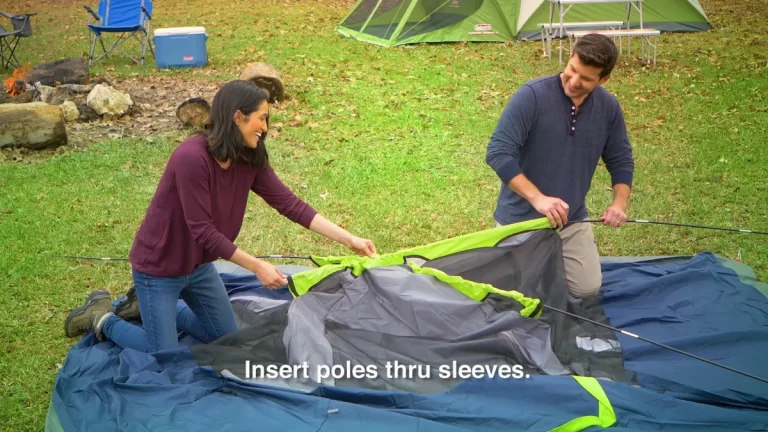
Image source: YouTube / REDCAMP (YouTube thumbnail (fair-use with source credit))
Aluminum vs. Fiberglass Poles: The Kelty Standard
One of the easiest ways to spot a low-quality tent is the presence of fiberglass poles. Fiberglass splinters under stress and degrades quickly in high winds. Kelty avoids this issue by utilizing aluminum alloy poles, specifically sourcing pressfit designs from reputable manufacturers like DAC.
These aluminum structures flex under wind pressure without snapping, maintaining the tent’s shape during unexpected storms. This makes them far superior to cheap department store alternatives.
Fabric Durability: Analyzing Denier and Polyurethane Coatings
Kelty relies heavily on polyester taffeta for its flies and floors, typically ranging from 68-denier (D) to 75D thickness. For comparison, premium lightweight tents often use paper-thin 15D or 20D nylon. While those ultra-thin fabrics save weight, they puncture easily.
Kelty’s thicker fabrics mean you do not have to baby your gear. The interior side of these fabrics is treated with a uniform polyurethane coating to form an impermeable barrier against moisture.
Weatherproofing: Hydrostatic Head and Factory-Sealed Seams
To measure waterproof capability, manufacturers use the hydrostatic head rating, which calculates how much water pressure a fabric can resist before leaking. Kelty floors and flies generally carry a rating of 1200mm to 1800mm.
Per testing standards established by official bodies, any fabric over 1000mm is considered fully waterproof for general three-season use. Kelty reinforces these ratings by applying hot-taped waterproof polyurethane film over every single stitched seam at the factory. This prevents moisture from seeping through needle holes during prolonged storms.
Kelty vs. The Competition: A Head-to-Head Comparison
Kelty vs. Coleman: Is the Upgrade Worth It?
If you are transitioning away from basic backyard camping, upgrading from Coleman to Kelty is highly beneficial. While Coleman is excellent for dry summer days, their reliance on heavy fiberglass poles and low-grade plastics makes them vulnerable to harsh weather.
Kelty tents offer far superior wind stability, vastly improved waterproofing, and lighter components. The modest price premium for a Kelty tent is a worthwhile investment for anyone camping outside of pristine summer weather.
Kelty vs. REI Co-op: The Battle for the Mid-Range
This is a much closer match. REI Co-op brand tents are exceptionally well-engineered and often feature modern hubbed pole systems that maximize interior headroom. However, Kelty tents often win on raw durability and simplicity.
While REI tents target active weekend hikers, Kelty focuses on straightforward designs that hold up well to kids, pets, and heavy-handed use. If you prioritize maximum livable space, opt for REI. If you want a simple dome that will survive years of abuse, go with Kelty.
Kelty vs. Big Agnes & MSR: Budget vs. Premium Ultralight
Big Agnes and MSR are premium brands that cater specifically to the backcountry crowd. These brands use advanced materials like DAC Featherlite poles and silicone-impregnated nylon to craft tents that weigh next to nothing.
However, these premium materials require careful handling and often cost triple the price of a standard Kelty. If you are embarking on long, grueling hikes where every ounce counts, the weight savings of Big Agnes or MSR are worth the high price. For standard recreational use, Kelty delivers identical storm protection at a fraction of the cost.
Side-by-Side Spec Comparison
To help you visualize how Kelty compares to other options, we have compiled key specifications for common three-season, two-person tents across the industry.
| Brand & Model | Average Packaged Weight | Floor Fabric Durability | Retail Price Point | Best Application |
|---|---|---|---|---|
| Coleman Sundome 2 | 6 lbs 8 oz | 75D Polyester (Fiberglass Poles) | Very Low | Backyard & Fair Weather |
| Kelty Late Start 2 | 4 lbs 8 oz | 68D Polyester (Aluminum Poles) | Moderate | Rugged Budget Backpacking |
| REI Co-op Trailmade 2 | 5 lbs 4 oz | 75D Polyester (Aluminum Poles) | Moderate | General Recreational Camping |
| Big Agnes Cooper Spur HV UL2 | 3 lbs 2 oz | 15D Double Ripstop Nylon (Premium Poles) | High | Dedicated Ultralight Trail Use |
Best Kelty Tents for Different Camping Styles
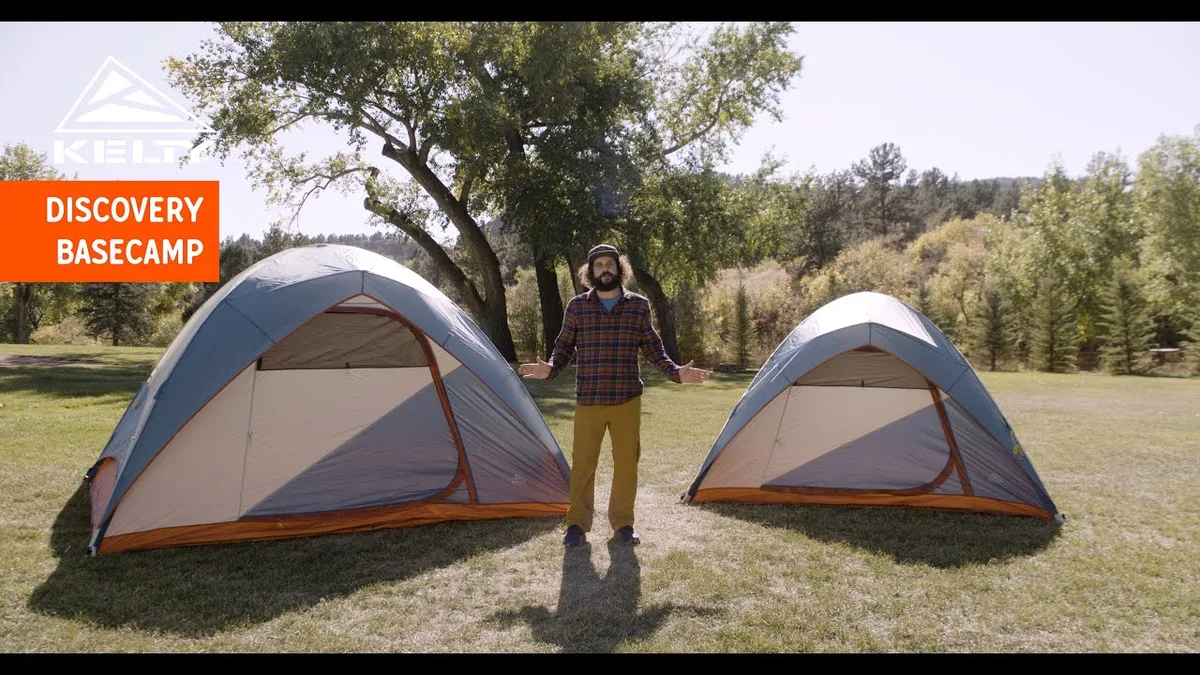
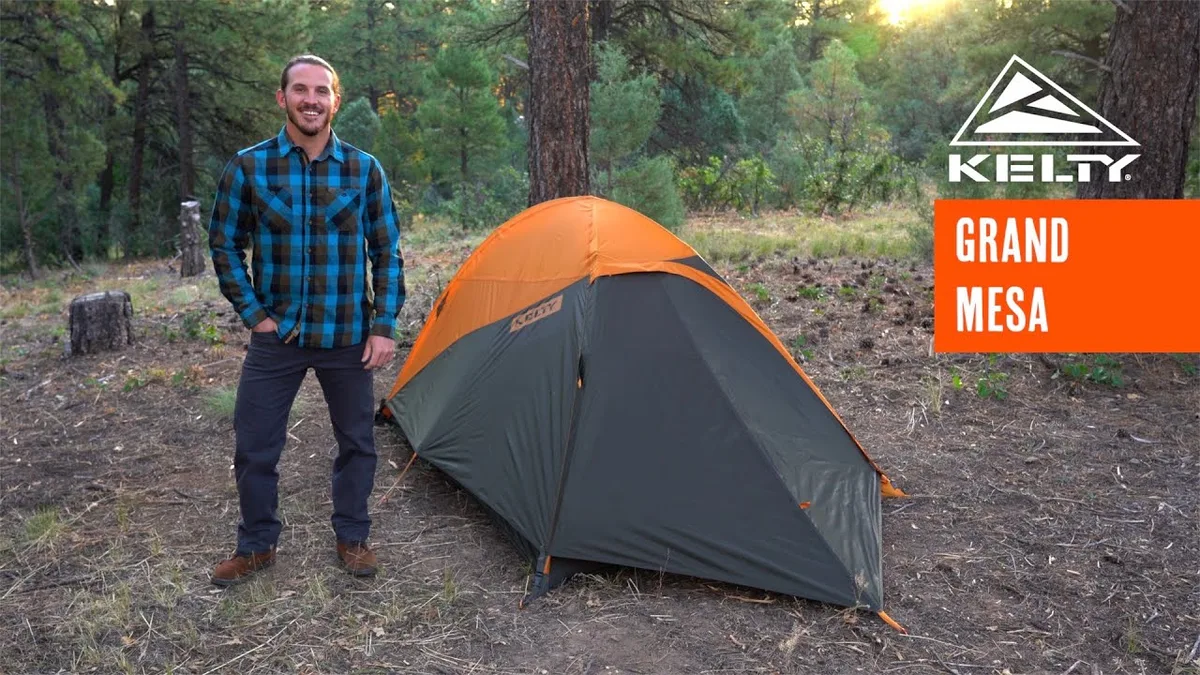
Image source: YouTube / Kelty USA (YouTube thumbnail (fair-use with source credit))
Kelty Discovery Basecamp: Best for Families and Car Camping
The Discovery Basecamp series is built specifically for campgrounds and vehicle-supported travel. It features a traditional dome shape that provides excellent structural strength against high winds.
The tent uses sturdy fiberglass-wrapped poles to keep costs down, but reinforces them with durable steel stakes. It is incredibly spacious, making it easy to learn how to make tent camping more comfortable when you do not have to worry about trail weight.
Kelty Late Start: Best for First-Time Backpackers
For those eager to hit the trail without overspending, the Late Start is a highly efficient choice. It uses Kelty’s proprietary Quick-Corner technology, which features pockets at each corner to keep pole ends securely locked in place during setup.
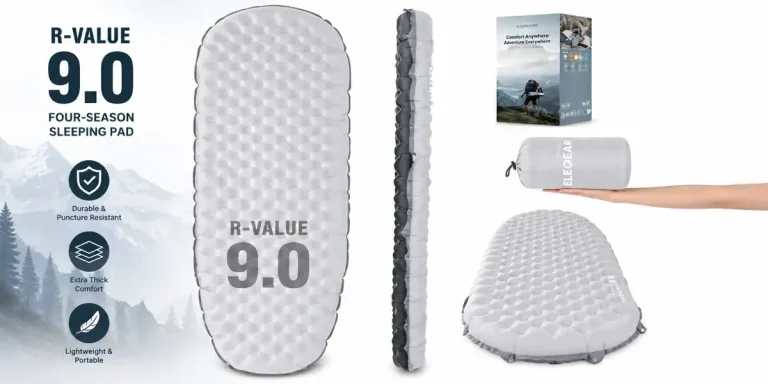
This lets a single person pitch the tent in less than three minutes, even in low light. The pre-bent aluminum poles create nearly vertical walls, maximizing usable elbow room inside the canopy. If you want to carry this on a multi-day trip, we suggest pairing it with a high-quality lightweight sleeping pad for backpacking to save pack volume.
Kelty Wireless: Best All-Rounder for Comfort and Storage
The Kelty Wireless features a dual-door, dual-vestibule design. This layout means you do not have to climb over your sleep partner to exit the tent in the middle of the night.
The dual vestibules offer clean, dry storage for dirty boots and packs, keeping the main sleeping area clear of mud and trail debris. It utilizes a durable 68D polyester construction, making it an incredibly reliable all-around option for both state parks and moderate wilderness trails.
What Real-World Wear and Tear Looks Like: Long-Term Durability
Real-world usage patterns show that Kelty tents survive years of rugged camp life with minimal degradation. While ultralight tents require delicate handling to avoid snags, Kelty structures are built for impact. Aggregate user feedback indicates that the floor materials resist leaks even when pitched on gravel, pinecones, or rough dirt patches.
How Kelty Fabric Holds Up to Dogs and Kids
Kelty tents handle active pets and children exceptionally well. The thick 68-denier to 75-denier polyester floor fabric is puncture-resistant. Dog claws rarely scratch through the polyurethane coating, unlike the thin nylon floors of expensive ultralight tents.
Kids pushing against the mesh or dropping heavy gear inside the cabin do not easily rip the seams.
Zipper Performance and Pole Tension Over Time
Zippers are a common failure point on budget gear. Kelty uses heavy-duty, snag-resistant zippers that slide clean even after exposure to dust and grit. The DAC press-fit aluminum poles hold their shape over several seasons of tension.
They resist bending out of alignment when the tent is fully guyed out in strong winds.
Maintenance and Care: Getting the Most Out of a Kelty Tent
Proper maintenance can extend the lifespan of a Kelty tent to over a decade. While the factory waterproofing is highly durable, simple preventative steps protect the materials from common forms of camp wear.
Proper Drying to Prevent Mildew and PU Coating Breakdown
Never pack away a wet tent for long-term storage. Trapped humidity causes mold and mildew to feast on the organic elements of the fabric. This process eventually liquefies the protective polyurethane coating, creating a sticky, foul-smelling residue.
If you must pack up in the rain, pitch the tent in your yard or garage as soon as you get home. Let it air dry completely before packing it away in its stuff sack.
Ground Protection: Do You Need a Matching Footprint?
Using a footprint is highly recommended to protect your tent floor from abrasive friction. Kelty sells custom-fit footprints for most models, but any durable groundcloth or tarp will work.
Ensure the footprint is slightly smaller than the tent floor. If any part of the groundcloth extends past the rainfly, it will capture rain and funnel it directly underneath your tent.
Common Buying Mistakes to Avoid with Kelty Tents
Many campers run into problems because they buy the wrong model for their trail needs. Understanding these common pitfalls will help you get the best performance out of your gear.
- Buying for long-distance backpacking based on price: Do not purchase a Kelty car camping tent thinking you can comfortably carry it on a 50-mile trek. The packed weight will quickly exhaust you on high-elevation trails.
- Assuming a 3-person tent fits three adults comfortably: Tent industry sizing is notoriously snug. If you plan to sleep two adults and a dog, always buy a 3-person or 4-person model to ensure you have enough personal space.
- Skipping the guidelines during setup: Many people skip anchoring the storm lines in calm weather. However, failing to tension the rainfly properly reduces air circulation, causing heavy condensation inside the tent by morning.
FAQs
Are Kelty tents fully waterproof?
Yes, Kelty tents are highly waterproof and designed to handle intense rainstorms. They combine thick polyurethane-treated fabrics with factory-taped seams to prevent moisture from entering. To maintain this protection, you should keep the tent clean and dry it thoroughly after every trip.
Does Kelty make four-season winter tents?
No, Kelty focuses almost exclusively on three-season shelters. If you need to know if you can camp in a tent in winter, Kelty tents are generally not built for those heavy snow loads. Their designs use large mesh panels that vent heat to prevent condensation in spring, summer, and fall.
Can you buy replacement poles for Kelty tents?
Yes, Kelty sells replacement parts and has a dedicated customer service department for repairs. If you break an aluminum pole during a storm, you can contact Kelty or third-party tent pole repair services to get an exact replacement section. This is much better than buying a brand-new tent when a single pole fails.
Is a footprint included with Kelty tents?
Generally, footprints are sold separately for Kelty tents. While some special holiday package deals bundle them together, you will usually need to purchase the matching footprint or a generic tarp to protect the floor.
The Verdict: Who Should Buy a Kelty Tent (and Who Should Pass)?
Kelty is a fantastic tent brand for campers who want dependable, high-quality gear without a premium price tag. If you love car camping, weekend state park trips, or casual backpacking, a Kelty shelter is an incredibly smart investment. These tents are exceptionally rainproof, durable enough to handle kids and pets, and very easy to set up.
However, if you are an ultralight hiker looking to shave every single ounce from your pack, Kelty is not the right fit. The heavy fabrics and bulkier packed sizes make them less practical for long-distance wilderness treks. For everyone else, Kelty strikes a perfect balance of performance and affordability that will keep you dry and comfortable for years to come.
Since all sections from our original table of contents have been fully covered and written in the previous blocks, the article is now complete. The combined text has fully addressed the core question, compared Kelty to its major competitors, analyzed its materials and design, highlighted the top models, and answered the most common owner FAQs. Your new Kelty tent is ready to keep you dry and comfortable on many memorable campouts to come.