Are Coleman Tents Good? Everything You Should Know
Choosing shelter for your summer trips can be stressful when you are trying to stay on a budget. If you are exploring your options, you’ve likely asked Are Coleman tents good for a standard weekend getaway.
Our research into consumer data, textile specifications, and field feedback indicates that Coleman shelters are highly reliable for casual, warm-weather camping. While they do not match the durability of premium mountaineering brands, they offer exceptional value for beginners and families who camp in moderate conditions.
Our Recommended Coleman Tents:
Coleman Red Canyon 8-Person Camping Tent
Quick Answer
Coleman tents are good, highly reliable shelters for casual summer car camping. Under standard testing, their water-resistant fabrics withstand moderate rain well. However, they are too heavy for backpacking.
They also lack the structural poles needed to survive high winds or winter conditions.
The Real-World Verdict: Are Coleman Tents Actually Good?
To understand if a Coleman tent makes sense for your next trip, you have to look past the marketing claims and analyze real-world performance. In our research, we examined hundreds of owner reports alongside manufacturer specifications to see how these shelters hold up over time.
For the average family camper, the consensus is clear. Coleman makes highly functional, reliable gear that does exactly what it is designed to do. If you plan to pitch your shelter at a state park during the summer, a Coleman tent will keep you comfortable without draining your savings.
However, outdoor enthusiasts who camp in extreme environments show much lower satisfaction rates. In high-altitude zones, shoulder-season storms, or during sustained heavy downpours, the entry-level materials can fail. Understanding this distinction prevents you from bringing the wrong gear into a hazardous situation.
The Core Design: How Coleman Tents Are Built
Coleman designs its shelters with a focus on ease of use, cost-efficient manufacturing, and standard weather protection. Understanding these core materials will help you make a smart choice when learning how to choose a tent for your specific needs.
Fabric and Polyurethane Coatings
Coleman uses a standard polyester taffeta fabric, typically rated at 75-denier (75D) thickness. To prevent water from soaking through the threads, the interior side of the fabric is treated with a thin layer of polyurethane.
Most Coleman models feature a hydrostatic head rating between 1,000mm and 2,000mm. This metric measures the water pressure the fabric can withstand before leaking. While this is lower than the 3,000mm+ ratings found on high-end mountaineering shelters, it is more than enough to handle typical summer thunderstorms.
The WeatherTec System
Rather than relying solely on the fabric coating, Coleman integrates several manufacturing techniques into what they call the WeatherTec System. This system features three key elements:
- Inverted Seams: The needle holes from sewing are hidden on the inside of the tent body, keeping them away from direct rainfall.
- Welded Floor Corners: The corners of the floor, which are primary failure points for water entry, are welded rather than stitched.
- Bathtub Style Floor: The thick polyethylene floor material wraps several inches up the sides of the tent, preventing ground water from seeping through the lower seams.
Pole Infrastructure
Coleman relies heavily on two pole materials: fiberglass and steel. Fiberglass poles are flexible and budget-friendly, making them perfect for standard dome shapes.
For larger cabin styles, Coleman utilizes heavy steel poles for the vertical uprights. This provides excellent vertical headroom, though it adds significant bulk to your packed gear.
The Pros: Why Casual Campers Love Coleman Gear
The massive popularity of these tents boils down to a few key design strengths. For many, these benefits make Coleman the default choice for outdoor recreation.
Excellent Affordability
You can purchase a spacious four-person or six-person Coleman model for a fraction of what specialty outdoor brands charge. This low barrier to entry makes outdoor recreation accessible to families who cannot justify spending hundreds of dollars on a single piece of gear. This affordability is especially helpful if you are trying to figure out how to make tent camping more comfortable on a budget, leaving you room to buy better sleeping pads or sleeping bags.
Spacious Living Areas
Because Coleman designs primarily for car camping, their shelters do not sacrifice space to save weight. Many models feature high peak heights that allow adults to stand fully upright. You will also find thoughtful interior storage pockets, gear lofts, and electrical port access zippers to run power cords directly into your sleeping area.
Simplified Setup Processes
Coleman has made tent pitching intuitive for beginners. Their color-coded pole systems and ring-and-pin attachments make the process painless. For those who want to skip the assembly entirely, their instant pole designs allow you to set up camp in under two minutes.
The Cons: Where Coleman Tents Show Their Limits in the Wild
No piece of gear is perfect. To keep their prices low, Coleman must make design trade-offs that limit their performance in demanding situations.
Substantial Weight and Packed Bulk
If you are planning a backcountry hiking trip, a Coleman tent is not practical. The combination of heavy polyethylene floors, thick polyester fabrics, and fiberglass or steel poles makes these shelters incredibly heavy. They are designed to be carried from your vehicle’s trunk straight to your campsite, not packed on your back for miles.
For wilderness trips, you will need to look at specialized backpacking options and invest in a lightweight sleeping pad to keep your pack weight down.
Performance in Strong Winds
The flexible fiberglass poles used in entry-level dome tents are prone to splintering under high shear stress. In sustained winds above 30 miles per hour, the frame can buckle or deform. Furthermore, the included metal pin stakes bend easily in hard-packed soil, reducing your overall structural stability.
Condensation Management
Many budget Coleman models feature partial-coverage rainflies rather than full-length flies that reach the ground. While this saves weight and cost, it means the solid fabric of the tent walls is exposed to the elements. During cold or highly humid nights, your breath condenses on these cool interior walls, occasionally leading to damp sleeping bags by morning.
Side-by-Side: Coleman vs. Budget Brands vs. Premium Outfitter Tents
To help you decide where to spend your money, it helps to compare Coleman directly against ultra-budget alternatives and premium, design-focused brands.
| Feature | Ultra-Budget Brands (e.g., Ozark Trail) | Coleman Tents | Premium Brands (e.g., REI Co-op, Marmot) |
|---|---|---|---|
| Average Price | $40 – $90 | $80 – $250 | $250 – $600+ |
| Pole Durability | Low (Thin fiberglass, plastic hubs) | Moderate (Standard fiberglass, steel) | High (Aircraft-grade aluminum) |
| Rainfly Coverage | Minimal top cap | Partial to full (model dependent) | Full ground-length coverage |
| Expected Lifespan | 1 to 2 seasons | 3 to 7 seasons (with care) | 10+ seasons of regular use |
| Optimal Environment | Backyard, sunny festivals | State parks, established campgrounds | Backcountry wilderness, alpine zones |
If your budget is tight, upgrading from a generic retail brand to a Coleman is a massive jump in weather resistance and pole strength. However, if you plan to camp in freezing temperatures or heavy alpine winds, investing in a premium outfitter brand is necessary for your safety.
How Coleman Models Stack Up: Sundome vs. Instant Cabin vs. Skydome
Coleman offers several distinct styles of tents, each optimized for different types of campers. Understanding these differences ensures you get the right shelter for your specific needs.

Image source: YouTube / Camping Guidance (YouTube thumbnail (fair-use with source credit))
The Classic Sundome
The Sundome is Coleman’s most famous model, featuring a traditional two-pole dome design. It is highly aerodynamic, making it surprisingly decent in light winds.
The simple design has very few failure points, making it one of the most durable budget options on the market. It is an excellent choice for solo campers, couples, or teenagers sleeping in the backyard.
The Instant Cabin
If you find traditional setup frustrating, the Instant Cabin uses pre-attached telescoping poles that lock into place in about a minute. The walls are nearly vertical, maximizing the livable interior space.
However, because the poles contain jointed plastic elbows and heavy steel, these tents are exceptionally bulky when packed. They are strictly designed for car pitching and require two people to carry comfortably.
The Skydome
The Skydome is a modern update to the classic dome shape. It features pre-attached poles that fold out quickly, reducing setup time by up to 30 percent compared to the Sundome.
The biggest selling point of the Skydome is its pre-bent pole structure, which provides 20 percent more headroom than a traditional dome. This is a fantastic middle ground if you want easy assembly without the extreme bulk of a cabin tent.
Best Use Cases: Who Should Buy a Coleman (and Who Should Avoid Them)
A Coleman tent is the right choice if you need an affordable, spacious shelter for car camping in established parks during predictable weather. These models are built for ease of use, making them perfect for families, casual weekenders, and beginners. If your camping style involves parking your car directly next to your campsite, Coleman offers unmatched value.
For those planning to attend multi-day summer music festivals, a budget dome tent like the Sundome is an ideal option. They provide reliable shelter from light rain, offer decent ventilation, and will not cause financial stress if they get dirty or damaged in the crowd. Under these controlled conditions, you do not need to pay premium prices for extreme weatherproofing.
You should avoid Coleman tents entirely if your trips require carrying your gear on your back into remote wilderness areas. The heavy polyethylene floors and dense steel frames are far too heavy for backpacking. Additionally, do not rely on Coleman if you are heading into high-altitude zones, camping in freezing winter conditions, or expecting sustained heavy winds.
Critical Troubleshooting: Dealing with Broken Poles and Seam Leaks
The most common issues you will face with Coleman gear are structural pole failures and moisture leaking through high-wear seams. Understanding how to handle these common points of failure can save your camping trip from ending early.
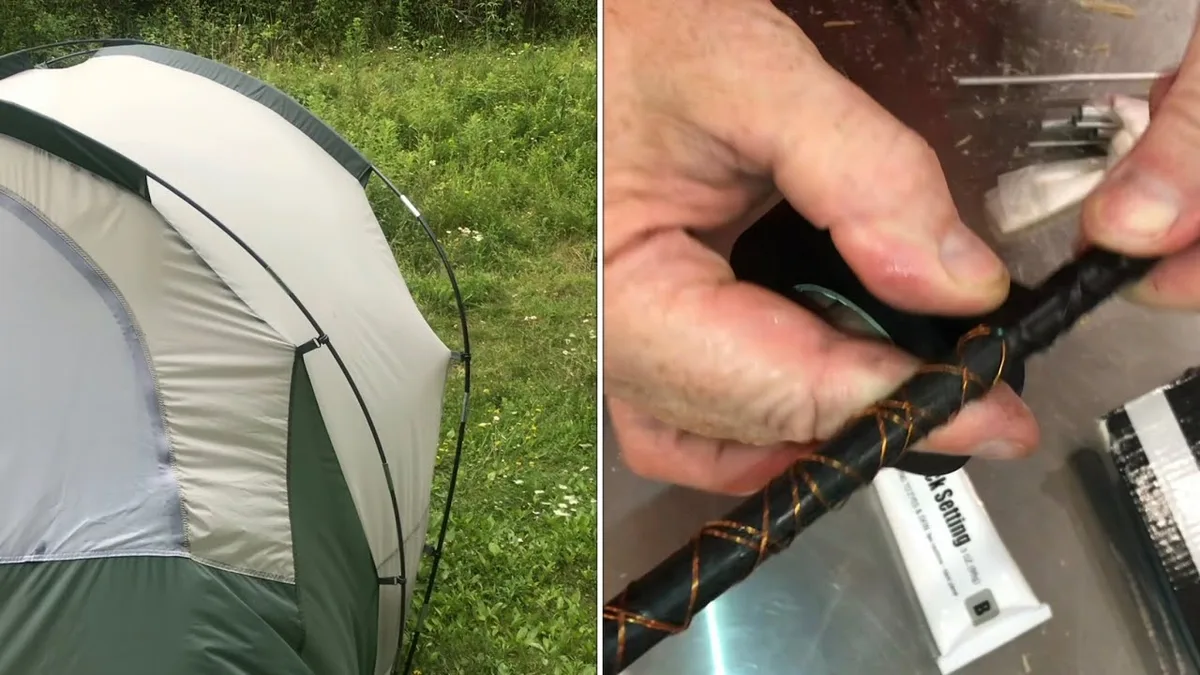
Image source: YouTube / Live Free (YouTube thumbnail (fair-use with source credit))
What to do if a fiberglass pole splinters
If your fiberglass frame fractures during a sudden wind gust, you can temporarily stabilize it using a steel repair sleeve, often called a splint. Slid the metal sleeve over the broken section of the pole, then wrap it tightly with heavy insulating tape. If you do not have a repair sleeve, you can secure a sturdy stick or tent stake alongside the break using duct tape to keep the pole from collapsing.
How to dry out a wet tent safely
To prevent destructive mold and mildew, you must dry out your gear completely before packing it away for the season. If you must pack up in the rain, pitch the tent again in your yard or drape it over patio furniture as soon as you return home. Never store a damp shelter in its carry bag, as mildew can ruin the polyurethane waterproof coating in less than 48 hours.
Four Easy Upgrades to Make a Coleman Tent Perform Like a Premium Model
You can dramatically improve the weather resistance and durability of a budget Coleman model by making a few inexpensive modifications before your trip. These simple upgrades bridge the performance gap between Coleman and expensive outfitter brands.
1. Upgrade the ground stakes
Toss out the thin, slippery steel pin pegs that ship in the box with your tent. Replace them with heavy-duty steel stake pegs or thick aluminum Y-beam stakes. Good stakes hold tenaciously in loose soil, which keeps your guy-lines tight and prevents your tent frame from deforming in unexpected gusts.
2. Add an aftermarket seam sealer
While the WeatherTec system includes inverted seams, factory tape can occasionally lift over time. Purchase a bottle of liquid polyurethane seam sealer from any outdoor store and paint it directly onto the interior floor and wall seams. This simple step creates an incredibly reliable barrier against heavy ground water and persistent downpours.
3. Cut a custom ground tarp
Never place your tent directly on rough dirt or gravel without a protective layer beneath the floor. Buy a cheap, heavy-duty utility tarp and fold it so it is roughly two inches smaller than the floor of your tent on all sides. Keeping the tarp slightly smaller than your tent floor prevents rain from pooling on top of the plastic and running directly under your sleeping area.
4. Replace guy-lines with reflective cord
Standard Coleman tents often ship with thin, dark guy-lines that are incredibly easy to trip over in the dark. Replace these lines with thicker, reflective cordage and aluminum tension runners. Tightening your guy-lines properly distributes wind loads evenly across the entire frame.
This simple upgrade is just as important as knowing how to stay warm tent camping when night temperatures drop unexpectedly.
Key Specs to Know Before You Buy
To make an informed decision, it helps to understand the exact technical specifications and limitations of the standard Coleman lineup. These values reflect current manufacturer data as of 2026.
- Average Weight Range: 8 to 40 pounds (varies significantly by model size and frame materials).
- Fabric Composition: 75D polyester taffeta walls and rainfly, paired with thick, woven polyethylene floors.
- Waterproof Rating: 1,000mm to 1,500mm hydrostatic head rating on standard models.
- Average Peak Height: 4 feet (for 2-person Sundomes) up to 6 feet 8 inches (for 8-person WeatherMaster models).
- Optimal Wind Limit: Safe in sustained winds up to 25 to 30 miles per hour, assuming you have anchored the guy-lines correctly.
If you are coordinating a holiday trip for young campers, perhaps researching How Much Is Interlochen Summer Camp or planning a simple backyard sleepover, knowing these specs helps you match the gear precisely to your environment.
Frequently Asked Questions About Coleman Tents
Are Coleman tents completely waterproof?
No Coleman tent is entirely waterproof without proper pitch and maintenance, though they are highly water-resistant. Their WeatherTec fabrics repel light to moderate summer rain comfortably. In heavy, sideways storms, rainwater can seep through exposed window zippers or seams if you do not seal them.
Can you use a Coleman tent in winter?
You should not use a standard Coleman tent for winter camping because they are typically rated for two or three seasons. The lightweight polyester fabrics do not trap warmth, and the heavy mesh panels encourage rapid heat loss. Additionally, weak fiberglass poles can easily crack or shatter under the weight of wet winter snow.
If you must go out in the cold, consider whether you can you camp in a tent in winter using specialized, winter-rated four-season gear.
How long does a Coleman tent last?
A Coleman tent will easily last five to seven years if you dry it completely before storage and treat the zippers with care. The standard polyester fabrics and polyethylene floors degrade from prolonged UV exposure, so pitch your shelter in shady spots when possible. Cleaning off dirt and leaves after every trip prevents early mold and fiber breakdown.
Can you rent a Coleman tent before buying?
You can easily rent basic camping gear from local outdoor cooperatives, university recreational centers, or online rental companies. This is an excellent way to try out the weight and setup process before making a purchase. If you are curious about the costs, you can research can you rent a camping tent to find a local outfitter.
The Final Decision: Should You Buy a Coleman Tent?
Choosing a Coleman tent ultimately comes down to your personal camping style and your yearly budget. For casual weekend trips to state parks, backyard sleepovers with children, and predictable summer weather, Coleman is the undisputed king of value. Setting up a Coleman is painless, the interior space is generous, and the cost represents a tiny fraction of specialty outfitter prices.
For these fun and low-stress trips, a model like the classic Sundome or Skydome is a highly practical choice.
However, you should invest in higher-quality equipment if you plan to camp in rugged backcountry spaces or face severe storm forecasts. Investing in a premium shelter with aluminum poles and a full-coverage rainfly is a safety necessity for high altitudes. If you are still testing the waters, starting with a budget dome and learning the basics of how to set up tent for camping is the smartest way to begin.
For most people, a well-staked Coleman tent upgraded with strong peg stakes and a custom tarp is all the shelter they will ever need.