Complete Guide to How Much Do Tents Cost
We've all been there. You're staring at a tent aisle, or scrolling through pages of options, and the prices make zero sense. A $40 tent sits right next to a $700 tent, and they look almost identical in the photos.
So how much do tents cost, really? The honest answer is somewhere between $30 and $3,500, depending entirely on what you need it to do.
The price gap comes down to a handful of engineering decisions. As of 2026, the average 6-person family tent from a mid-range brand runs $150 to $350, while a 2-pound ultralight shelter for thru-hiking costs $400 to $700. Understanding those trade-offs before you spend anything is what separates a smart buy from a regret that sits in your garage for a decade.

Image source: Bing (Web (fair-use with source credit))
Quick Answer
The short version: budget tents cost $30 to $75. Mid-range tents run $80 to $250. Premium ultralight tents cost $250 to $600.
Expedition models climb past $1,000. Roof-top tents start around $900.
You pay for weight reduction. You pay for durable materials. You pay for weatherproofing you can trust in a downpour.
Most weekend campers land in the $100 to $250 range. That gets you a solid 3-season tent that'll last five to ten years.
What Actually Drives the Price Up?
Every tent is a balance of three things: weight, durability, and cost. Pick two, and you'll sacrifice the third.
Fabric Quality
The cheapest tents use polyester or nylon at 68 to 75 denier. That's tough fabric, but it's heavy. Higher-end tents use 15 to 30 denier ripstop nylon, which is far lighter yet still resistant to tearing.
The trade-off is obvious once you read the specs.
Denier measures fabric thickness. Lower numbers mean thinner, lighter material. Higher numbers mean bulkier, more puncture-resistant material.
A budget tent's 75D floor might survive rocky ground. A premium tent's 20D floor will tear if you skip a footprint. That's why many premium tents include one or sell it as an add-on.
Pole Material
Fiberglass poles flex too much in wind. They also crack under cold stress. You'll find them on nearly every tent under $80.
Aluminum poles are stronger, lighter, and more expensive. They cost manufacturers two to three times more per tent, and that difference shows up in the shelf price.
Premium tents use DAC poles or Easton poles. These are aerospace-grade aluminum alloys with better flex recovery and smaller diameters. You're paying for a pole that won't snap when a gust hits at 2 a.m.
Coating and Waterproofing
Hydrostatic head rating measures waterproofing. It's expressed in millimeters. A crappy tent has a 1,000 mm rating on its rainfly.
A trustworthy 3-season tent starts at 1,500 mm. Expedition tents often hit 3,000 mm or more. Every jump in rating costs money because better coatings cost more to apply.
Polyurethane coatings degrade over time. Silicone coatings last longer but require seam sealing. Dyneema composite fabrics are the premium option, but they cost $50 per square yard.
That's why ultralight Dyneema tents retail for $600 plus.
Design and Doors
Freestanding tents need extra poles for structure. That adds cost. More doors mean more zippers, and good zippers are expensive.
YKK zippers are the industry standard, and they're notably pricier than generic alternatives. The vestibules, mesh panels, and internal pockets all add to the bill.
Price Breakdown by Tent Category
You can classify tents by their intended use. Each category has its own price range, weight class, and level of engineering.
Budget Tents: $30 to $75
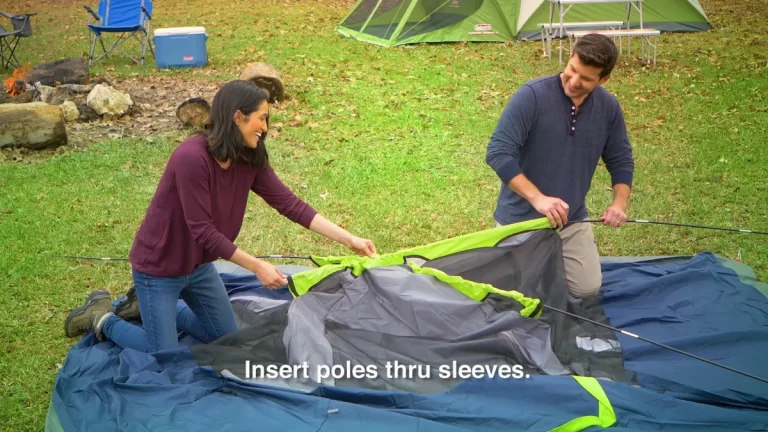
These are your Ozark Trails, your cheapest Colemans, your festival specials. They're heavy, bulky, and made with fiberglass poles. The rainfly barely covers the body.
The floor is thin. They'll survive a weekend in fair weather, but that's the ceiling of their ability.
That said, they serve a real purpose. For a music festival where you want a second room for gear, or for car camping in dry conditions, a $40 tent is fine. Buy one expecting years of use, and you'll be disappointed.
Buy one knowing it's disposable, and it works.
Mid-Range Tents: $80 to $250
This is the sweet spot for most people. Coleman, Kelty, ALPS Mountaineering, and budget offerings from Marmot all sit here. Expect aluminum poles, full-coverage rainflies, and trail weights between 4 and 7 pounds.
For a 2-person tent, $150 gets you a genuinely reliable shelter. For a 6-person family tent, $200 to $300 is the realistic range. These tents survive wind, rain, and decades of regular camping trips.
They just weigh more than the ultralight crowd.
Premium Backpacking Tents: $250 to $600
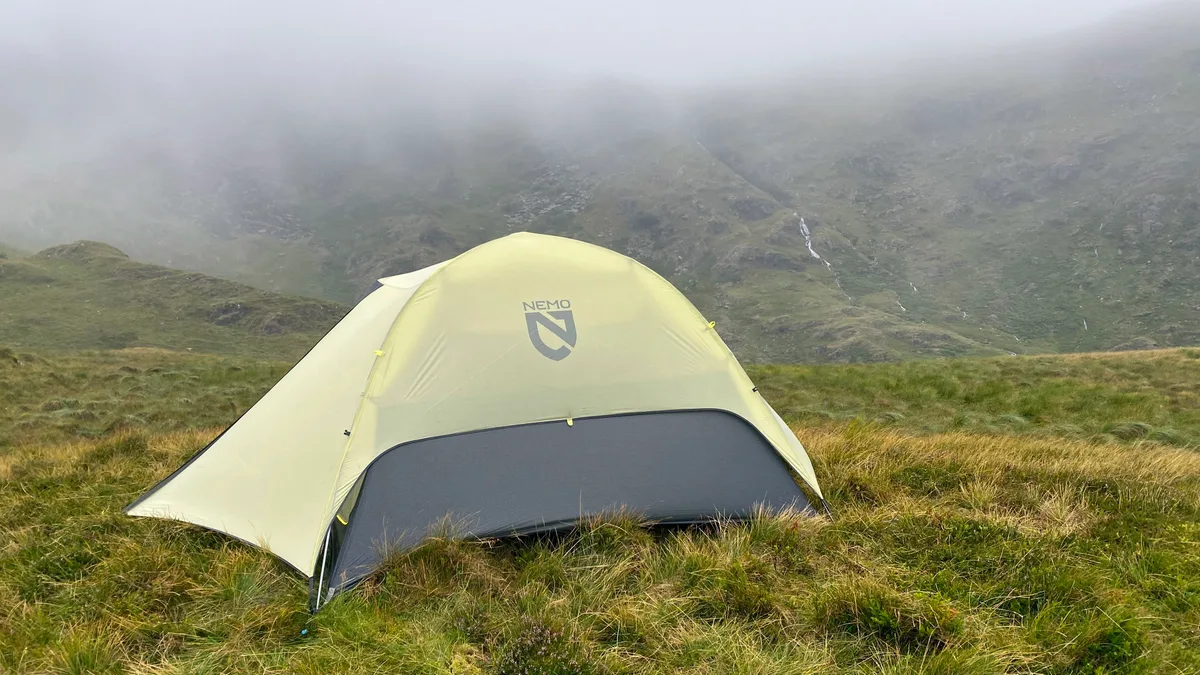
Now we're talking about tents that sleep close to the ground, pack down to the size of a loaf of bread, and use serious engineering. The Big Agnes Copper Spur, the MSR Hubba Hubba, the NEMO Hornet. These are the tents you'd carry on a thru-hike.
The weight savings come from thin fabrics, refined pole geometry, and a minimalist approach to features. A 2-person model might weigh 2.5 pounds total. You'll pay $350 to $500 for that.
It's worth it if you're carrying it on your back for twenty miles a day.
Expedition and 4-Season Tents: $500 to $1,200
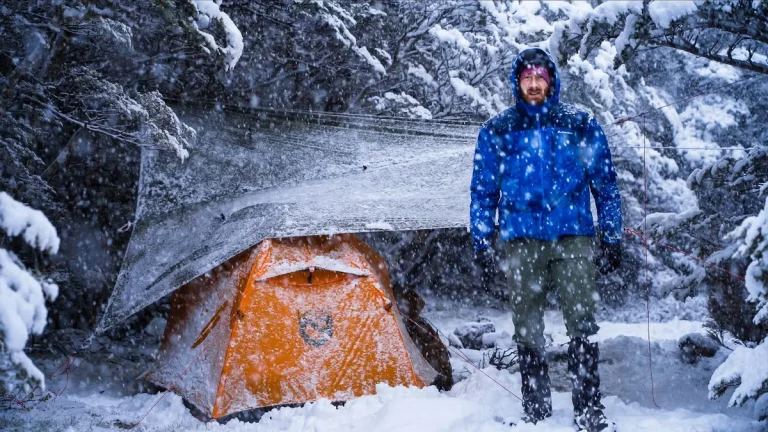
These are meant for snow. Not "cold weather camping," but actual snow loading, plus 60 mph winds at 14,000 feet. They use geodesic pole structures designed to shed heavy loads on multiple sides.
Major players include Hilleberg and MSR. Their tents cost real money because they're built like shelters, not like camping gear. If you're mountaineering, you don't get to complain about the price.
It's your life support.
Roof-Top Tents: $900 to $3,500
This category is completely different. A roof-top tent bolts to your vehicle's crossbars and folds out when you arrive. You're buying a mattress, a hard shell or fabric cover, a ladder, and convenience.
They range from budget soft-shell options around $900 to hard-shell models with integrated awnings at $3,500 plus.
Users love the overnight speed. You don't deal with rocky ground, mud, or critters. But you add 100 to 150 pounds of weight to your roof, you pay for gas due to drag, and you need a vehicle rated to handle it.
It's a lifestyle choice more than a gear purchase.
Bivy Sacks: $80 to $250
The minimalist option. A bivy sack is a waterproof shell that fits over your sleeping bag. It adds almost no weight and packs down small.
Hardcore thru-hikers and climbers use them for quick camps. They're claustrophobic, but they do the job at a third of the price of a premium tent.
Side-by-Side Comparison: Which Tent Matches Your Style?
Once you know the categories, the math is simple. Match your tent to the type of trips you actually take. That means being honest about how you camp.
| Camping Style | Recommended Category | Price Range | Typical Weight | Best Budget Pick |
|---|---|---|---|---|
| Car camping, fair weather | Budget dome tent | $30–$75 | 7–10 lbs | Ozark Trail basics |
| Car camping, all weather | Mid-range family tent | $120–$250 | 10–15 lbs | Coleman Sundome |
| Backpacking, weekend trips | Mid-range 3-season | $120–$220 | 4–6 lbs | ALPS Mountaineering |
| Thru-hiking, ultralight | Premium backpacking | $300–$600 | 1.5–3 lbs | Big Agnes Copper Spur |
| Winter / mountaineering | Expedition 4-season | $500–$1,200 | 4–8 lbs | MSR Access |
| Overlanding / vehicle | Roof-top | $900–$3,500 | 100–150 lbs | Roam Adventure Co. |
A few notes on the table. Weight for roof-top tents refers to the total unit on your truck, not what you carry. If you're triangle camping for a single night, a budget dome is fine.
If you're doing two weeks in the backcountry, you want premium.
Most importantly, don't buy a tent for the trip you wish you were taking. Buy for the trips you actually take. That's the fastest way to stretch your dollar.
Hidden Costs That Blow Your Budget
The sticker price is never the full price. Every tent comes with its own set of add-on costs. You need to factor these into your thinking before you commit.
Tent Footprints

Most premium tents don't include a footprint in the box. A footprint is a groundsheet that protects your tent's floor from rocks, sticks, and abrasion. Big Agnes charges $50 to $80 extra for theirs.
MSR charges similar.
You can skip it, but you'll wear out your tent floor three to four times faster. A repair kit for tent floors runs $20. A replacement tent costs $300.
Spending $60 upfront is the smarter play. Alternatively, cut a piece of Tyvek to fit the floor. It works just as well for $15.
Seam Sealing
Budget tents almost never come factory-sealed. Water finds its way through the stitch holes on the rainfly and floor. A seam sealing kit costs $15 to $25 and takes about an hour to apply.
It's non-negotiable for budget tents if you want them to survive rain.
Replacement Poles
Fiberglass poles snap. Aluminum poles bend in extreme wind. A replacement pole set runs $25 to $60 depending on the model.
Keep a pole repair sleeve in your kit. It costs $10 and can save a trip.
Storage and Maintenance
Storing a tent compressed in its stuff sack ruins the waterproof coating over time. You're supposed to store it loose in a breathable cotton bag. A proper storage sack runs $10 to $20.
Beyond that, you have DWR spray for re-waterproofing fabric at $15 a bottle, silicone treatments for zippers at $8, and a good camp tarp to pitch underneath at $20. None of these are optional extras if you want your tent to last.
Setup Practice
If you've never pitched your tent before, practice at home. Not at the campsite, in the dark, mid-storm. Doing a test pitch takes thirty minutes of your time and costs nothing.
Trust me on this one. Reading the instructions on a windy ridge at 9 p.m. is not a fun way to start a vacation.