Everything About Is Camping World Legit
You've probably typed "is camping world legit" into Google because you've seen the massive dealerships along the interstate, or maybe you've heard a horror story from a friend who bought a used RV from one. The truth is, you're smart to ask. It's not a simple yes or no answer, and anyone who tells you otherwise hasn't dug into the details.
The answer depends on which store you walk into, what you're buying, and how much fine print you're willing to read. In our research, we've found that Camping World is a legitimate, publicly traded company with over 150 locations nationwide, but the consistency of its service and sales practices varies wildly from one location to the next. As of 2026, the Federal Trade Commission continues to receive consumer complaints about add-on warranties and service delays, which means you need a game plan before you step on any lot.

Image source: Bing (Web (fair-use with source credit))
Quick Answer
Yes, Camping World is a real, functioning business. Then why do people ask this question? Because a real business can still offer poor service or push shady contracts.
The company is the largest RV dealership in the United States, but that size doesn't guarantee your experience will be seamless. It flips a coin between "decent" and "frustrating."
Most complaints cluster around service departments and extended warranties. Sales, warranty work, and repairs are the big swings. If you know how to navigate the process, you can have a fine experience.
If you don't, you might end up in a paperwork nightmare.
How Camping World Is Structured (and Why It Matters)
Camping World Holdings, Inc. is the corporate parent, and it trades on the New York Stock Exchange under the ticker CWH. That's important because a public company has to answer to shareholders, which means quarterly earnings pressure often translates to sales quotas on the floor. It's not inherently evil, but it explains the upsell culture.
The company also owns Good Sam Enterprises, which runs the membership program and a massive parts catalog. What does that mean to you? When you buy an extended warranty from Camping World, you're often buying a service contract from the same corporate family.
That creates a serious conflict of interest.
Here's the chain:
- Camping World stores sell new RVs, used RVs, parts, and service.
- Good Sam offers memberships with roadside assistance and discounts.
- Good Sam also administers extended warranty plans.
So when the finance office pushes a warranty, the money partly flows back into the company's own pockets. That's a red flag worth noting because it incentivizes the sales team to push these contracts hard, even if they're not the best deal for you. The math works out better for them than it might for you.
This structure also explains why you can find a fantastic deal at one store and a terrible one at another. Each franchise operates semi-independently, with local management calling the shots on pricing and service. That's the core reason the answer to this question is "it depends."
The Big Variable: Corporate Stores vs. Franchises
Here's where it gets tricky. Not every Camping World store is run by the same playbook. The company uses both corporate-owned locations and franchised dealerships, and this split affects everything from pricing to service quality.
Corporate-owned stores generally follow standardized policies from headquarters. Franchises, on the other hand, have more leeway to set their own service rates and negotiate prices. That can work in your favor or against it.
| Store Type | Pros | Cons |
|---|---|---|
| Corporate-owned | Consistent policies, brand accountability, centralized billing | Less flexible on price, more upselling from scripts |
| Franchise | Local management, more negotiation room, often faster service | Inconsistent quality, varying accountability |
How do you know which one you're dealing with? Check the store's website footer or call and ask. If the store is a franchise, they're usually required to say so in the fine print.
The franchisees carry the brand name, but they're small business owners running their own show.
In our research, complaints about high-pressure sales tactics tend to cluster more around franchises than corporate stores. But corporate stores have their own issues, mainly in the service department. The bottom line is simple.
Never assume consistency across locations. Check local reviews for the specific store you plan to visit, not the company as a whole.
Buying a New RV: What to Expect That's Good and Bad
Buying a brand-new rig from Camping World can feel like a dream, and honestly, it can be one of the simpler ways to get into an RV. You get a manufacturer's warranty, you get a clean title, and you get the whole dealership experience. But that experience comes with baggage.
The good news:
- Massive national inventory means you can compare models instantly.
- They have strong relationships with major manufacturers like Forest River and Thor.
- Financing is available in-house, even with middling credit.
- Trade-in appraisals happen right on the lot.
The bad news:
- The finance office is where the "average" experience goes south. Expect aggressive pitches for extended warranties, tire protection plans, and paint sealants.
- Prices often sit near MSRP, and while negotiation is possible, you need to do your homework first.
Here's the thing most buyers don't realize. The manufacturer's warranty comes from the factory, not from Camping World. So buying new from them doesn't get you better coverage than buying from any other dealer.
Your protection depends on the brand (like Forest River or Thor), not the store.
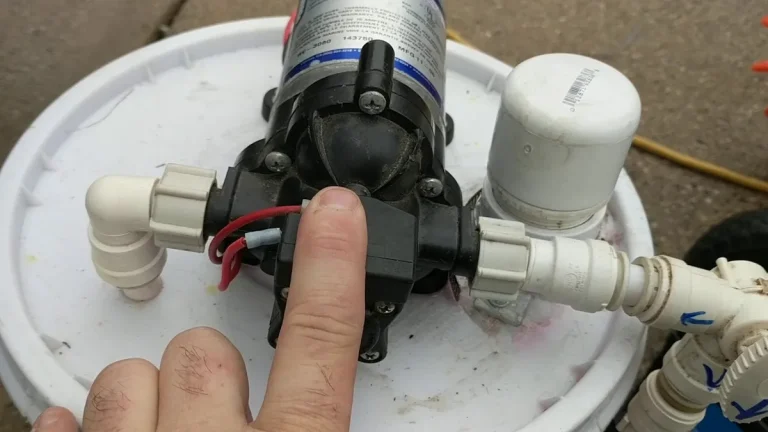
Now let's talk about delivery day. Camping World is notorious for rushing the walkthrough. The walkthrough is where they show you how to use the blank tank dumps, the water pump, and the slide-outs.
If they're rushing you through it, you're going to miss something important.
- Set aside two to three hours for your walkthrough.
- Test every switch, lock, and appliance before you sign.
- Show up with a printed checklist of common delivery items.
We've seen too many buyers sign paperwork, drive their new RV home, and immediately discover a dead heater or a misaligned slide-out. If that happens, the repair goes through the service department, which brings us to the next headache.
Buying a Used RV: Where the Risk Really Sits
Used RVs are where the "is camping world legit" question gets serious. Their inventory is a mixed bag of trade-ins and wholesale purchases. Some units are pristine, and some are money pits from the moment you hitch them up.
Here's the core problem. Camping World doesn't do deep mechanical inspections on every used unit. They check the obvious stuff, but a 2005 motorhome with 80,000 miles is going to have hidden issues.
That's why the independent inspection is non-negotiable. For a few hundred dollars, you can hire a mobile RV inspector to spend two hours crawling around the unit. They'll check:
- Roof seams and sealant for water damage.
- Frame and axle condition.
- Tire age and sidewall integrity.
- Electrical system function.
- Plumbing and water heater operation.

Image source: Bing (Web (fair-use with source credit))
If the dealer won't let you bring in an inspector, walk away. That's your answer.
Also, ask for the service history on any used unit. If the dealership can't produce records from the previous owner, assume the maintenance was done sporadically at best. Aggressive pricing on used units usually means the unit has been sitting on the lot for 90+ days.
That's not inherently bad, but it means the market hasn't been eager to buy it.
Here's the red flag to look for. If you find the same model listed on Craigslist by a private seller for $5,000 less, the dealership is counting on you not doing that comparison. Used RV prices at large chains often run 10% to 15% higher than private sales.
There's also the trade-in trap. If you're trading in your old rig, they'll give you a lowball offer and then mark up the new one. You'll think you're getting a deal because they "worked with you" on the trade-in.
In reality, the total package often favors the dealer.
Be prepared to negotiate hard. Get a written quote for the unit before you discuss your trade-in. That separates the two transactions, and that's how you keep your money in your pocket.
Know the actual value of your current camper before you set foot on the lot so you have a baseline. That way you can compare their offer to what you'd get selling it privately.
And speaking of prep, before you drive off the lot, make sure you've done the homework on where you're actually parking and camping with your new rig. Knowing your campsite setup ahead of time saves a whole lot of stress later.