Camper Parking: Your Guide
Figuring out where I can park a camper is often the biggest question for anyone hitting the road, whether for a weekend escape or a cross-country adventure. It’s not always as simple as pulling over; different situations call for different solutions, and knowing your options can save you hassle, money, and even a hefty fine. We’ve gathered insights from various sources to help you find the right spot every time.
When hunting for a place to park your recreational vehicle (RV), understanding the nuances between free options like boondocking and paid locations with full hookups is key. As of 2026, guidelines and regulations for overnight parking can vary significantly by state, county, and even specific businesses. This guide helps you decide based on your immediate needs and long-term plans.
Quick Answer
You can park a camper at official campgrounds, RV parks, and designated dispersed camping areas on public lands like National Forests and BLM land. Many businesses, such as Walmart and Cracker Barrel, permit overnight RV parking, while state parks offer affordable, amenity-rich sites. Always verify local ordinances and specific venue rules before parking your camper.
Finding a Spot: Your Camper Parking Needs First
The ideal parking spot for your camper hinges entirely on what you plan to do. Are you just passing through and need a place to sleep for one night? Or are you planning to stay put for a week while you explore a new area?
Your trip’s purpose directly dictates the type of parking you’ll need.
Short Overnight Stay?
If your main goal is simply a safe place to rest for the night before hitting the road again, you’ll likely prioritize convenience and accessibility. This might mean looking for spots that are easy to pull into and out of, require minimal setup, and are generally permitted for overnight use without extra facilities. Think of places that offer a quick stopover without demanding much from you or the location.
Longer Term or While Exploring?
If you plan to stay put for a few days or even a week while you explore the local attractions, you’ll need more than just a parking space. This scenario calls for locations that offer a bit more in terms of amenities like electric hookups, water access, and perhaps even Wi-Fi. You’re looking for a basecamp, not just a parking lot.
Full-Time Living?
For those living in their campers full-time, parking becomes a lifestyle choice. This often involves a combination of long-term RV parks, seasonal sites, or even more remote dispersed camping locations depending on your budget and preference for solitude versus community. The key here is sustainability and legality for extended stays.
Free Parking Options: The Budget-Savvy Camper
Saving money on accommodations is a huge draw for many camper owners, and thankfully, there are numerous ways to park for free. These spots often require more self-sufficiency, as amenities are usually limited or nonexistent, but the savings can be substantial. Prioritizing these options means being prepared to carry your own water and manage your waste effectively.
Boondocking on Public Lands (BLM & National Forests)
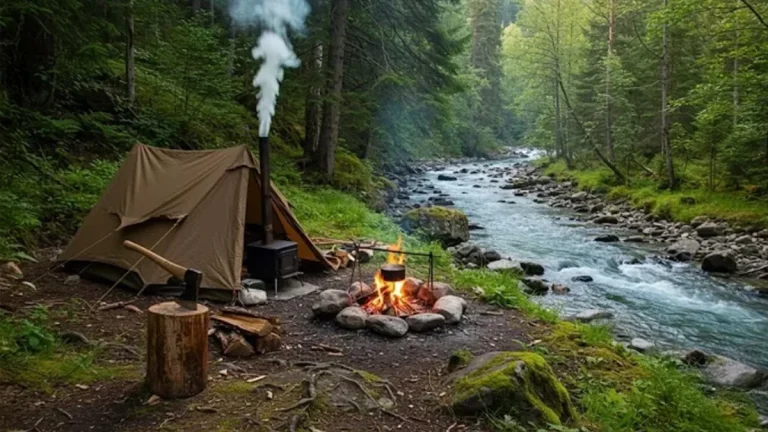
Boondocking, also known as dispersed camping, means parking your camper on public lands managed by agencies like the Bureau of Land Management (BLM) and the U.S. Forest Service (USFS). These areas typically don’t have designated campsites, hookups, or facilities.
You’re essentially utilizing undeveloped land for overnight stays, often in stunning natural settings.

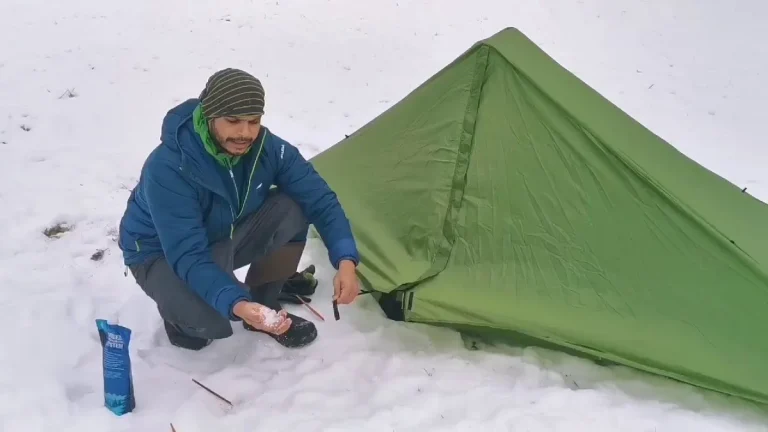
Image source: YouTube / Adventuring With Amanda (YouTube thumbnail (fair-use with source credit))
The primary rule is to “Leave No Trace,” meaning you must pack out everything you pack in and minimize your environmental impact. Always check the specific regulations for the particular BLM district or National Forest you plan to visit, as rules can differ. Many online resources and apps can help you locate these areas, but always verify with official land management websites for the most current information.
Maximum stay durations, typically 14 days within 30 days, are common on these lands to prevent long-term occupation and allow for higher turnover.
Overnight Parking at Businesses (Walmart, Cracker Barrel)
Many national retail chains, most famously Walmart, and some restaurant chains like Cracker Barrel, have informal policies allowing RVs to park overnight in their lots. This is a fantastic option for travelers needing a convenient and safe place to stop for a single night, especially when passing through unfamiliar areas. It’s crucial to understand that this is a privilege, not a right, and policies can change or vary by individual store location.
Always call the specific store during business hours to confirm their policy before arriving. Look for designated RV parking areas if available. While these spots offer a level surface and a sense of security from being in a well-lit, active location, they typically lack any amenities like hookups or dump stations.
You’ll need to be fully self-contained.
Casino Parking
Some casinos, especially in areas with ample open land, welcome RVers to park overnight in their large parking lots. This can be a pleasant surprise, as casinos often provide a more controlled environment than a general store lot and may even offer amenities like access to restrooms during business hours. Some larger casino resorts even have dedicated RV parks with hookups for a fee, which can be a great option if you plan to stay longer and enjoy their facilities.
Similar to retail stores, it’s essential to check with the casino’s management or security desk first. Some casinos have specific areas designated for RV parking away from the main customer lots. While generally free for overnight stays, it’s often expected that you’ll patronize the casino’s establishments by gambling, dining, or utilizing their services.
Paid Parking: Convenience and Amenities
When you need more than just a flat spot to park, paid options come into play. These locations are designed specifically for RVers and campers, offering varying levels of amenities and services that can make your stay much more comfortable and convenient. While they cost money, the trade-off is often in ease of use and access to resources.
Campgrounds (Public & Private)
Campgrounds are the traditional go-to for campers of all kinds. They range from rustic sites with basic amenities like a pit toilet and fire ring to full-service facilities with electric, water, and sewer hookups, Wi-Fi, laundry rooms, and even swimming pools. Public campgrounds, often found in state and national parks, are generally more affordable than private RV parks.
Private campgrounds can be part of larger chains or independent operations, and their pricing and offerings can vary widely. Some private parks focus on offering extensive amenities and activities, catering to longer stays and a resort-like experience. When booking, double-check the specific type of site you’re reserving; a “tent site” might not accommodate an RV, and a “dry camping” site won’t have hookups.
RV Parks
RV Parks are specifically designed for recreational vehicles and typically offer more extensive amenities than a standard campground. You’ll almost always find sites with full hookups (30-amp or 50-amp electrical service, potable water, and sewer connections). Many RV parks also include facilities like dump stations, propane refills, convenience stores, and recreational areas.
These parks are categorized by the type of services they offer:
- Full Hookup Sites: Provide all three utilities: electricity, water, and sewer.
- Partial Hookup Sites: May offer electric and water, but require you to use your RV’s tanks for wastewater until you find a dump station.
- Dry Camping / Boondocking Sites: No hookups are available, similar to dispersed camping, but within a managed park setting.
The cost of RV parks varies significantly based on location, amenities, and length of stay. Daily rates can range from $30 to $100+, with weekly and monthly rates offering discounts. It’s always a good idea to book in advance, especially during peak travel seasons.
Image source: YouTube / RV Park Profit (YouTube thumbnail (fair-use with source credit))
State and National Park Campgrounds
Found within the protected boundaries of state and national parks, these campgrounds often provide stunning natural backdrops and access to hiking trails, scenic overlooks, and visitor centers. Amenities vary but usually include designated campsites, picnic tables, fire rings, and nearby restrooms and potable water. Some sites offer electrical hookups, and dump stations are typically available within the park or nearby.
Reservations are often essential, especially for popular parks and during peak season, and can usually be made through official park reservation systems, like Recreation.gov for federal lands. As of 2026, National Park Service campgrounds often have a maximum stay of 14 days, and fees can range from $15 to $35 per night, depending on the park and site type. State park fees are often comparable or slightly lower. Understanding the specific regulations for each park is vital, including pet policies, generator use hours, and any fire restrictions that may be in place.
When Permission is Key: Private Property
Sometimes, the best and most convenient parking spot is not a designated public space but rather private land. This often grants you more flexibility and can be far more affordable, but it relies entirely on getting explicit permission from the property owner. Approaching this correctly is crucial for maintaining good relationships and ensuring you can park where you need to.
Parking on a Friend’s or Family’s Land
If you’re lucky enough to have friends or family with suitable property, a large backyard, a spacious driveway, or some acreage, they might be willing to let you park your camper there. This is often the most comfortable and cost-effective solution, as you’re in a familiar setting, possibly with access to household amenities like electricity or even a spare bathroom.
Before you even think about parking, have a clear conversation about expectations. How long will you be staying? Will you need hookups?
What are their rules regarding guests or noise? Will you contribute financially or with chores to help offset the use of their property and utilities? Documenting any agreement, even informally via text, can prevent misunderstandings later.
Check local zoning ordinances, as some areas have restrictions on overnight parking of RVs, even on private residential property.
Using RV Parking Apps for Leads
Beyond just campgrounds and known business lots, there are now dedicated apps and online communities that help RVers find parking. Some of these aggregate information on free overnight parking locations, including Walmart and other retail lots, rest stops, and even stealth camping spots. Others focus on connecting RVers with private landowners who are willing to rent out space on their property, often for a fee.
These platforms can be invaluable for finding unique or less common parking opportunities. Websites and apps like iOverlander, AllStays, and Campendium (though we’re avoiding naming specific competitor sites) allow users to report and review spots, providing real-time information on legality, safety, and available amenities. Always cross-reference information from these sources with official local regulations, as user-submitted data may not always be up-to-date or fully accurate regarding local laws.
Critical Considerations Before You Park
No matter where you plan to park your camper, several critical factors need consideration to ensure your stay is safe, legal, and comfortable. These aren’t just about finding a space; they’re about making sure the space is actually suitable for your needs and that you’re not breaking any rules. We’ve identified the most common points of confusion for new and experienced RVers alike.
Hookups: Electric, Water, and Sewer Needs
The presence and type of hookups are often the biggest differentiator between parking locations. Your RV’s systems dictate your needs:
- Self-Contained RVs: If your RV has ample fresh water storage, a functional grey and black water tank, and a robust battery system or generator, you might be able to dry camp or boondock comfortably for a few days without hookups. This offers the most flexibility in where you can park.
- Partial Hookups: If you need electricity for charging devices and running lights, or water for basic use but can manage your waste tanks, sites with just electric or electric and water will suffice. You’ll need to find a dump station periodically.
- Full Hookups: For extended stays, comfort, or when running multiple high-draw appliances (like air conditioning), full hookups (30-amp or 50-amp electric, potable water, and sewer) are essential. These are typically found in RV parks and full-service campgrounds.
Understanding your RV’s capacity and your personal comfort level is the first step. A single overnight stop might be fine with no hookups, but a week exploring a new town likely requires more.
Amenities: What Do You Actually Need?
Beyond basic hookups, think about what amenities will make your stay enjoyable and practical. Do you need access to:
- Restrooms and Showers: Essential if your RV lacks full bath facilities or if you prefer a longer shower.
- Laundry Facilities: Crucial for longer trips where you need to clean clothes.
- Wi-Fi: Increasingly important for those working remotely or needing to stay connected.
- Propane Refills: If you rely on propane for cooking or heating, knowing where to get it is vital.
- Dump Stations: A necessary facility for emptying your RV’s waste tanks if you don’t have a full sewer hookup.
Some free parking options, like retail lots, offer none of these. Paid campgrounds and RV parks will vary wildly. If you’re planning a long trip, creating a checklist of your must-have amenities can help you narrow down your choices quickly.
Length of Stay Limits
This is a critical factor, especially when considering free or dispersed camping options. Most public lands managed by the USFS or BLM have a limit on how long you can camp in one spot, often 14 days within 30 days. This rule prevents people from establishing permanent residences on public land and ensures turnover so others can enjoy the areas.
Even at paid locations, there are usually limits. Walmart generally doesn’t allow stays longer than 24 hours, and some RV parks might limit stays to 30 days without special arrangements. Always ask about the maximum stay policy before you unhitch.
Overstaying your welcome can lead to being asked to leave, fined, or even banned from the location.
Pet Policies and Other Rules
If you’re traveling with pets, their inclusion in parking or camping plans is paramount. Many public lands allow pets, but specific rules apply, such as leash requirements. Paid campgrounds and RV parks often have their own pet policies, which might include breed restrictions, limits on the number of pets, or fees.
Always check these policies beforehand.
Beyond pets, be aware of other rules. Generator use might be restricted to certain hours, quiet hours are standard in most campgrounds and RV parks, and policies on campfires, alcohol consumption, and even trash disposal can vary. Reading the “fine print” or asking the host can save you a lot of potential headaches.
What About Parking Overnight in a City?
Parking a camper in an urban environment presents its own unique set of challenges and rules. Cities are dense, and space is at a premium, meaning traditional RV parking isn’t always an option. You’ll need to be particularly diligent about checking local ordinances and signage.
City Parks and Designated Spots
Some larger city parks or recreational areas may have designated spots or sections where RVs can park for a limited time, often a few hours during the day or sometimes overnight. These are typically well-marked, and you’ll need to adhere strictly to any posted time limits. Expect these spots to be in high demand, especially during events or tourist seasons.
Other cities are implementing specific RV parking zones, sometimes paid, sometimes free, to accommodate travelers. These are often found on the outskirts or in areas close to public transport hubs. Finding these spots usually requires research using RV-specific apps or city transportation websites.
Avoiding Risky or Illegal Parking
Parking a large vehicle like a camper on busy city streets can easily lead to tickets, towing, or even creating traffic hazards. Avoid parking on narrow residential streets, blocking driveways, or in areas with clear “No Parking” or “No Oversized Vehicle” signs. Stealth camping, while a tactic some use, carries significant risk of fines if done in prohibited areas.
If you’re uncertain about a location, it’s better to err on the side of caution and find a clearly legal and designated spot. Many urban explorers opt for paid RV parks just outside city limits and use public transport or ride-sharing services to access the city center, which is a safer and more reliable strategy.
The “Leave No Trace” Rule: Respecting Your Spot
Whether you’re in a remote wilderness or a busy parking lot, practicing “Leave No Trace” principles is fundamental for responsible camper parking. This ethic ensures that natural areas remain pristine and that businesses and communities are willing to continue allowing RVers to park. It’s about being a good steward of the places you visit.
Keeping Your Campsite Clean
This means properly disposing of all trash, taking it with you to a designated receptacle if no bins are available. It also includes managing wastewater responsibly, never dumping grey or black water on the ground or into storm drains. Many free parking spots lack dump stations, so planning ahead to find one when needed is crucial.
Minimizing Your Impact
Beyond trash and waste, minimizing your impact involves being quiet, respecting wildlife, and ensuring you leave the area looking as if you were never there. This includes not cutting down vegetation, avoiding bringing firewood from outside the area (to prevent pest spread), and staying on designated paths if you’re in a natural setting. The goal is to leave the environment, or the business’s property, in the same or better condition than you found it.
Navigating Parking Apps and Resources
Leveraging technology can significantly simplify the process of finding suitable camper parking. A wealth of apps and online resources exist to help travelers locate everything from official campgrounds to discreet overnight parking spots. These tools are invaluable for real-time information and user-generated reviews.
Key Apps for Finding Spots
Traveler communities have developed numerous platforms to share parking information. These often include details on public land access, authorized business parking, and user-reported overnight spots. Features typically include GPS coordinates, user reviews, photos, and specific notes on permitted stay durations or available amenities like dump stations.
Verifying Information
While these apps are incredibly useful, it’s always wise to cross-reference the information. User reviews can sometimes be outdated, or local policies might have changed since the last report. It’s best practice to call a business directly to confirm their overnight parking policy before arriving, or to check the official websites of land management agencies (like the USFS or BLM) for the most current regulations regarding dispersed camping.
Common Camper Parking Mistakes to Avoid
Even experienced travelers can make mistakes when finding a place to park their camper. Understanding these common pitfalls can help you avoid fines, unwanted attention, or simply a poor night’s sleep. Being proactive and informed is your best defense against parking problems.
Assuming it’s Okay to Park Anywhere
The biggest mistake RVers make is assuming that because a large patch of empty land exists, it’s automatically okay to park there. This is particularly true in urban or suburban areas. Many vacant lots might be private property, construction sites, or subject to local ordinances prohibiting overnight parking of large vehicles.
Always look for explicit permission or signage.
In natural areas, just because dispersed camping is allowed doesn’t mean you can park exactly anywhere. There are often stipulations about staying a certain distance from water sources, roads, or established trails. Respecting these boundaries is key to preserving the environment and your privilege to camp there.
Not Checking Local Ordinances
Every town, city, and county has its own specific rules about where RVs can park and for how long. These ordinances are often not advertised and can be overlooked by travelers simply passing through. For instance, a town might have a strict 24-hour limit for any vehicle parked on public streets, or a ban on RVs in business parking lots even if individual businesses don’t enforce it.
The best way to avoid issues is to check with the local police department (non-emergency line), city hall, or the relevant land management agency before settling in. Many RV-friendly towns will have information available on their tourism or city government websites.
Overstaying Your Welcome
Whether it’s a free spot or a paid campground, respecting the stated or implied limits on your stay is crucial. Overstaying not only causes inconvenience for others who may need the spot next, but it can also lead to stricter enforcement of rules in the future for all RVers. If a place has a 24-hour limit, move on after that time, even if the spot is still empty.
If you find a place you love and want to stay longer than permitted, explore options for formalizing your stay. This might involve moving to a different designated spot within the same area if possible, or transitioning to a paid RV park that allows longer durations. Always communicate with the property owner or managing entity if you have questions about extending your stay.
Last-Minute Parking: When You Need a Spot Now
Sometimes, plans change, or a trip takes longer than expected, leaving you needing a place to park your camper at the last minute. In these situations, quick solutions are key, and knowing where to look can be a lifesaver. The focus shifts from amenities to sheer availability and legality for a short-term stop.
Truck Stops and Rest Areas (Check Rules!)
Many major travel corridors feature truck stops and government-run rest areas that permit overnight parking for RVs. These are often conveniently located and provide a relatively safe environment with lighting and security. However, availability can vary, and they are primarily geared towards truckers, so RV parking might be secondary or have specific designated areas.
It’s vital to check signs carefully; some rest areas prohibit overnight stays, and truck stops may have a policy requiring you to patronize their business. They typically offer no hookups beyond what your RV can provide, so you’ll be dry camping. Be mindful of generator noise and the general activity of these locations, which are not designed for quiet relaxation.
Exploring Nearby Options
If your initial plan falls through or you’re in an area with limited traditional options, a bit of strategic exploration can reveal possibilities. This might involve using your RV parking apps to scout for lesser-known spots, calling local campgrounds to see if they have any last-minute cancellations, or even politely inquiring at businesses not traditionally known for RV parking, provided you have a clear understanding of their policies and are prepared to move if asked. The key is to remain flexible and respectful.
Your Camper Parking Decision Guide
Choosing the right place to park your camper depends on a straightforward assessment of your current needs and priorities. By quickly evaluating a few key factors, you can rapidly narrow down your options and find a spot that suits you best. This isn’t about finding the “perfect” spot, but the “right” spot for tonight.
Matching Your Need to the Right Spot
Consider these questions: Do I need hookups tonight? How long do I plan to stay? What’s my budget?
Am I looking for solitude or amenities? Answering these will immediately point you toward categories like boondocking on public land, a paid RV park, a business parking lot, or a designated campground.
Making the Final Choice
Once you’ve identified the category that best fits your needs, do your due diligence. Check reviews, call ahead if possible, and always look for posted rules. Being prepared and informed ensures a smooth, safe, and enjoyable parking experience, no matter where your adventures take you.
Safety / Legal / Compliance / Warnings
Parking your camper safely and legally is the top priority. Ignoring these aspects can lead to significant problems, from expensive fines to being forced to move unexpectedly, which can disrupt your travels and safety. Always operate with a clear understanding of the rules.
Staying Aware of Local Laws
Regulations surrounding RV parking vary dramatically. Some municipalities have strict ordinances against overnight parking on public streets or in business lots, even if individual businesses permit it. Always consult your GPS device’s safety features, RV parking apps, or local law enforcement if you are unsure.
Understanding “No Parking” and RV Restrictions
Pay close attention to all posted signage. “No Parking” signs, time limits, or restrictions on vehicle size or type are there for a reason. These can relate to traffic flow, pedestrian safety, or protecting property.
Ignoring them can result in tickets, towing, or being asked to leave by authorities or property owners.
Real Scenarios / Case Examples
Let’s look at a couple of typical situations campers face and how understanding parking rules helps. A traveler might need a quick overnight stop while driving a long distance. They could use an app to find a Walmart that allows overnight parking, call ahead to confirm, and arrive late, park, sleep, and leave early.
In contrast, a family on vacation might want to spend several days exploring a national park. They would research park campgrounds months in advance, book a site with electrical hookups, and then plan their daily excursions from that established base. Both scenarios require a different approach to finding a suitable parking spot.
FAQs
Where is the cheapest place to park a camper?
Free options like boondocking on BLM or National Forest land are the cheapest. Some businesses, such as Walmart, also allow free overnight parking. Paid campgrounds and RV parks will have associated daily, weekly, or monthly fees.
Can I park my camper on any BLM land?
No, you can typically park on BLM land where dispersed camping is explicitly permitted. Always check specific land management regulations for the area you plan to visit. Some BLM areas have restrictions on vehicle size, stay duration, or proximity to developed sites.
How can I find safe overnight parking for my RV?
Look for well-lit areas with other vehicles, such as designated rest areas, some truck stops, or popular retail parking lots that permit overnight stays. Checking RV-specific apps with user reviews can provide insights into the safety and legitimacy of various locations.
Do I need to pay to park a camper at a national park?
Yes, you generally need to pay for a campsite within a national park. While some parks may offer primitive camping with fewer amenities, most require a reservation and fee. Wandering into a park and parking your RV in an unauthorized area can lead to citations.
What’s the difference between boondocking and dry camping?
Boondocking specifically refers to camping on public lands (like BLM or National Forests) without any amenities. Dry camping is a broader term for camping without utility hookups, which can occur in an RV park’s designated dry camping site, a church parking lot, or other managed locations, and generally implies more self-sufficiency.
Your Camper Parking Decision Guide
Choosing the right place to park your camper depends on a straightforward assessment of your current needs and priorities. By quickly evaluating a few key factors, you can rapidly narrow down your options and find a spot that suits you best. This isn’t about finding the “perfect” spot, but the “right” spot for tonight.
Matching Your Need to the Right Spot
Consider these questions: Do I need hookups tonight? How long do I plan to stay? What’s my budget?
Am I looking for solitude or amenities? Answering these will immediately point you toward categories like boondocking on public land, a paid RV park, a business parking lot, or a designated campground.
Making the Final Choice
Once you’ve identified the category that best fits your needs, do your due diligence. Check reviews, call ahead if possible, and always look for posted rules. Being prepared and informed ensures a smooth, safe, and enjoyable parking experience, no matter where your adventures take you.