
Find Free Dispersed Camping: Your Guide
Figuring out how to find dispersed camping can feel like chasing a ghost if you don’t know where to look. It’s all about getting off the beaten path, but that means there aren’t usually signs pointing you right to your spot. We’ve sifted through land management guidelines and expert advice to put together the clearest steps for finding these free, primitive campsites.
Dispersed camping, also known as boondocking or primitive camping, means setting up camp outside of designated campgrounds and without any of the typical amenities like restrooms or water spigots. Adhering to Leave No Trace principles is paramount, ensuring you leave the environment just as you found it. As of 2026, the rules and available areas can change, so doing your homework before you leave is key.
This guide will walk you through identifying where it’s allowed and how to find a suitable spot.
Quick Answer: Where to Find Dispersed Camping: Use Maps, Regulations, and Scout Smart
Find dispersed camping on public lands like National Forests and BLM areas. Start with official Motor Vehicle Use Maps (MVUMs) for National Forests. Check local land management agency websites for rules.
Scout for level terrain away from water. Always practice Leave No Trace.
Problem: Can’t Find a Campsite? The Dispersed Camping Challenge
Many outdoor enthusiasts dream of the quiet solitude that dispersed camping offers. Imagine waking up to only the sounds of nature, with no other campers in sight. Yet, the biggest hurdle for most people wanting to try this style of camping is the fundamental question: “Where exactly can I do this?” Unlike established campgrounds with clear signs, reservation systems, and defined sites, dispersed camping requires you to be your own scout and rule-follower.
This lack of established infrastructure can be daunting. You might spend hours driving down unmarked roads, only to find an area is off-limits, private property, or already occupied. The frustration of not knowing if you’re getting closer to a perfect, free spot or just wasting gas is a common pain point.
The challenge stems from the fact that dispersed camping is often allowed in vast, undeveloped areas. For instance, the US Forest Service manages over 193 million acres, much of which permits dispersed camping, with specific regulations differing by forest district. This sheer scale, coupled with varying local rules, makes a one-size-fits-all approach to finding a spot impractical.
Without a clear roadmap, the process can feel overwhelming, leading many to stick to traditional campgrounds.
Core Explanation: What Dispersed Camping Really Means (and Doesn’t Mean)
At its heart, dispersed camping is about using public land for overnight stays in a way that minimizes impact and requires you to be completely self-sufficient. It means no picnic tables, no fire rings (unless you find a pre-existing one and regulations allow its use), no toilets, and absolutely no trash cans provided. You are responsible for packing everything in, including your food, water, shelter, and any cooking gear, and packing absolutely everything out.
This includes all trash and human waste, which needs to be managed properly according to Leave No Trace guidelines.
It’s crucial to understand what dispersed camping is not. It’s not just pulling over on the side of any road; there are usually specific designations and rules governing where you can camp. It’s also not an unregulated free-for-all.
Most land management agencies, like the US Forest Service and the Bureau of Land Management (BLM), have clear guidelines about how far you need to be from water sources, roads, and developed areas, along with limits on stay duration, often 14 consecutive days. Ignoring these rules can lead to citations and damage to sensitive ecosystems.
The goal of dispersed camping is to provide access to remote areas for those willing to embrace self-reliance and environmental stewardship. It’s an opportunity to experience the backcountry on a deeper level, fostering a connection with nature that’s often lost in crowded, amenity-filled campgrounds.
Key Decision Variable 1: Understanding Land Ownership: National Forests vs. BLM vs. State Lands
Before you even think about packing your bags, the first critical step in finding dispersed camping is knowing whose land you’re planning to use. The primary agencies that allow dispersed camping in the United States are the US Forest Service (USFS), the Bureau of Land Management (BLM), and various state forestry departments. Each has its own set of rules and ways of designating areas where camping is permitted, and crucially, where it is not.
Getting this right saves you hassle, potential fines, and ensures you’re respecting public land management.
If you’re planning a trip, consulting the specific land-management agency for the area you intend to visit is non-negotiable. A quick search on their official website will usually lead you to public land maps and recreation information. Sometimes, designated dispersed camping areas are marked, and other times it’s allowed pretty much anywhere as long as you follow general guidelines.
National Forests: Your Best Bet for Dispersed Camping
National Forests, managed by the US Forest Service, are generally your most reliable bet for finding dispersed camping opportunities. These vast tracts of public land are designed for multiple uses, including recreation, and much of their acreage is open to primitive camping. The key tool for identifying where you can camp in a National Forest is the Motor Vehicle Use Map (MVUM).
These maps, which are legally binding, show all roads and trails designated for public motor vehicle use. If a road is marked on the MVUM, it generally means you can drive on it, and often, if you can drive on it, you can camp along it, provided you maintain a certain distance from the road itself, usually 100-200 feet, and any water sources.

MVUMs are essential for navigating National Forests and understanding where dispersed camping is permitted along designated roads.
Specific rules can vary from one National Forest to another, so always check the individual forest’s website for details on fire restrictions, stay limits (often 14 days), and any areas that might be closed to camping. For example, some forests might prohibit camping within a certain distance of lakes, streams, or developed recreation sites, while others might have specific “dispersed camping zones” that are more clearly defined. Understanding your MVUM is fundamental to successful dispersed camping in these areas.
Access to these maps is typically free online through the USFS website or can sometimes be purchased at ranger stations.
BLM Lands: The Wild West of Free Camping
Bureau of Land Management (BLM) lands offer another significant portion of public land where dispersed camping is often permitted, particularly in the Western United States. BLM lands are known for their rugged beauty and more remote character, making them ideal for those seeking true solitude. Unlike National Forests, where MVUMs are the primary guide, BLM dispersed camping rules can be more generalized across a district, though specific Areas of Critical Environmental Concern (ACECs) or designated recreation zones might have unique restrictions.
You’ll often find that BLM land allows dispersed camping unless otherwise posted, meaning you can camp almost anywhere as long as you follow the standard Leave No Trace principles and refrain from camping within a certain distance of water sources or existing roads.
When looking at BLM lands, it’s vital to understand the difference between designated camping areas and simply finding an open space. Some BLM areas have established primitive campsites with no facilities, while others allow you to pick virtually any spot that isn’t explicitly prohibited. Your first point of contact for BLM dispersed camping should be the local BLM Field Office website or a direct call to the office.
They can provide maps, current regulations, and information on any seasonal closures or fire bans. These offices are the ultimate authorities on their managed lands, and their guidance is essential for a legal and responsible trip.
State Forests: Sometimes an Option, Always Check Rules
While National Forests and BLM lands are the most common places for dispersed camping, many state forests also allow it. The approach and availability can vary widely from state to state and even between different state forest systems within the same state. Some states have very robust dispersed camping programs that are well-documented and easy to find information on, while others might have more restrictive policies or fewer designated areas.
For instance, some state forests might allow dispersed camping only in designated primitive sites, while others might permit it more broadly along forest roads, similar to federal lands.
The most important aspect of planning dispersed camping on state lands is to consult the official website of that state’s forestry agency or department of natural resources. This is where you’ll find the most accurate information on regulations, including stay limits, fire restrictions, proximity rules for water and roads, and any required permits or fees (though dispersed camping is typically free). Don’t assume that just because it’s a state forest, dispersed camping is automatically permitted everywhere.
Always verify the specific rules for the forest you intend to visit.
Step-by-Step: Your Dispersed Camping Location Scout Checklist
Once you’ve identified the type of public land you want to explore (National Forest, BLM, or State Forest), the next crucial step is to scout for a suitable campsite. This isn’t about randomly picking a spot; it’s a methodical process that ensures you’re in an allowed area, minimize your impact, and have a safe and enjoyable experience. Think of yourself as a wilderness detective, using maps and regulations as your clues to find the perfect, legal, primitive camping spot.
This checklist breaks down the essential actions you need to take.
1. Map It Out: Using Official Maps and Apps
The absolute foundation of finding dispersed camping is having the right maps and understanding how to read them. Relying solely on a general road map or your phone’s GPS will often lead you astray, as these tools don’t typically show land ownership boundaries or local camping restrictions. Official maps from land management agencies are your most reliable resource.
Motor Vehicle Use Maps (MVUMs): The Forest Service’s Essential Tool
For National Forests, the Motor Vehicle Use Map (MVUM) is your MVP. These maps are legally binding documents that show every road, trail, and area designated for motorized vehicle use and, by extension, often indicate where dispersed camping is permitted. Roads shown on the MVUM are typically open for travel, and camping is usually allowed within a specified distance from these roads (often 100-200 feet, but check local forest rules).
If a road is not on the MVUM, you generally cannot drive on it, and therefore cannot disperse camp along it. Downloading these maps beforehand, ideally in a format compatible with an offline GPS app on your phone or a dedicated GPS device, is critical, as cell service is often nonexistent in these areas.
BLM Online Maps and Public Land Surveys
The Bureau of Land Management offers a wealth of online mapping tools and resources. Their official website usually features interactive maps that show land ownership boundaries, designated camping areas, and points of interest. You can often download layers or KML files for use in GPS applications.
Understanding public land surveys and township and range information can also be helpful, especially in more remote areas, though official BLM maps are the easiest and most direct way to determine where camping is allowed. Many BLM districts also provide visitor guides or specific dispersed camping information on their regional websites.
Topographic Maps and GPS Devices
Beyond just land ownership, topographic maps are invaluable for understanding the terrain. They show elevation, water sources, contours, and potential obstacles. For dispersed camping, this helps you identify level ground for setting up a tent or RV, locate potential water sources (though you’ll need to treat them), and understand the general accessibility of an area.
Combining official land-use maps with topographic maps on a reliable GPS device or app (like Gaia GPS, OnX Offroad, or CalTopo, which can often load multiple map layers) gives you the best situational awareness. This layering approach helps you scout potential areas virtually before you even leave home.
2. Know the Rules: Regulations That Matter
Finding land that’s open to dispersed camping is only half the battle. The other half is understanding and adhering to the rules that govern it. These regulations are there to protect the environment, ensure safety, and guarantee access for everyone.
Ignoring them can result in fines, damage to natural resources, and a negative experience for you and others. Always research the specific rules for the forest or BLM district you plan to visit.
Stay Limits and Designated Areas
Most public lands that allow dispersed camping have a limit on how long you can stay in one spot. This is commonly 14 consecutive days, but it can vary. Many areas also specify that you cannot camp in the exact same spot repeatedly within a certain timeframe.
This rule is designed to prevent long-term occupation and allow the land to recover. Some areas might also designate specific “dispersed camping zones” where camping is concentrated, rather than allowing it to be spread out anywhere. Always check these limits to avoid overstaying your welcome.
Fire Restrictions: When and Where You Can (or Can’t) Camp
Fire restrictions are probably the most critical and frequently changing rule you’ll encounter, especially during dry seasons. Many areas, particularly National Forests and BLM lands, implement full fire bans during periods of high fire danger. This means no campfires, and sometimes even no charcoal grills or propane stoves, depending on the severity of the restriction.
These bans are often implemented with little notice due to weather conditions. Always check the official website of the land management agency for the most current fire restrictions immediately before your trip. Local ranger stations or BLM offices are also excellent sources for this information.
A fire ban is absolute, and violations can carry hefty fines and even jail time, not to mention the catastrophic damage from wildfires.
Road Access and Vehicle Limitations
Remember that just because a road appears on a map, it doesn’t mean it’s suitable for your vehicle or even open to travel. MVUMs and BLM maps are key here. Roads marked as “open to high-clearance vehicles,” “4WD only,” or “non-motorized access” dictate what you can drive.
If you’re in a standard car, you’ll be limited to roads suitable for passenger vehicles. Even then, road conditions can change rapidly due to weather, erosion, or lack of maintenance. Always assess the road ahead before committing your vehicle to a path that might lead to a dead end or a place you can’t get out of.
Some areas might also restrict camping within a certain distance of roads to maintain scenic views or prevent obstruction.
3. Scouting Your Spot: What to Look For on the Ground
Once you’ve confirmed an area is open for dispersed camping and you’re on or near a permitted road, you need to identify an actual campsite. This involves looking for specific conditions that make a spot safe, legal, and comfortable. It’s not just about finding an empty patch of dirt; it’s about making smart choices based on the landscape.
Many experienced campers have developed a mental checklist for this stage.
Level Ground and Drainage
The first practical consideration is finding ground that’s reasonably level. Trying to sleep on a significant slope is uncomfortable, and your camping gear might roll away. For RVs or vans, level ground is even more critical for proper operation and safety.
Alongside level ground, consider drainage. You don’t want to set up camp in a natural water channel that could fill up during a rain shower, even a light one. Look for slightly elevated spots or areas that clearly don’t pool water.
Distance from Water Sources
A fundamental Leave No Trace principle is to camp at least 200 feet (about 70 adult steps) away from lakes, rivers, streams, and other water sources. This protects riparian areas from trampling and pollution. It also helps keep your campsite safer from certain wildlife that frequent water.
Always use your map to identify potential water sources beforehand, and then physically scout to ensure you are well outside the buffer zone.
Privacy and Site Impact
When scouting for your dispersed campsite, look for spots that offer some natural screening from the road and other potential campers, if that’s your goal. This usually means pulling down a short spur road or finding a natural clearing. At the same time, aim to use existing impacted sites if possible.
These are areas that show signs of previous camping, like a flattened patch of ground or an old fire ring. Using these sites minimizes the creation of new impacts on vegetation and soil. Avoid setting up in meadows or areas with sensitive plants.
Mistakes to Avoid: Common Dispersed Camping Blunders
Even with the best intentions, new dispersed campers often make mistakes that can lead to headaches, fines, or environmental damage. Awareness of these common pitfalls can prevent a lot of trouble. It’s easy to assume certain things are allowed or to overlook crucial details in the excitement of being outdoors.
Being prepared and informed is your best defense against these blunders.
One major error is assuming all public land is open to dispersed camping. Many areas, such as those immediately adjacent to major highways, within designated park boundaries (even if adjacent to national forests), or in sensitive ecological zones, are explicitly off-limits. Always verify land ownership and specific regulations for your intended area.
Another frequent mistake is improper waste disposal. Leaving trash behind or not packing out humanure properly can result in significant environmental damage and attract unwanted wildlife. Remember, there are no trash cans or toilets out there.
Another common misstep is ignoring fire restrictions. These are not suggestions; they are hard rules designed to prevent wildfires. Always check the current fire status for the area you’re visiting right before you leave, as conditions can change daily.
This applies even if you see others with campfires; they may be in violation or unaware of a new, immediate ban. Finally, failing to properly assess road conditions for your vehicle can leave you stranded. If a road looks questionable, it probably is, especially if you are in a standard passenger car or RV.
Safety First: Essential Dispersed Camping Precautions
Dispersed camping is inherently more primitive than staying in a developed campground, which means you need to be more aware of potential safety risks. Being self-reliant means being prepared for a variety of situations, from encounters with wildlife to vehicle issues. Prioritizing safety ensures your adventure is rewarding and doesn’t turn into a crisis.
Always have a plan for communication and emergencies.
Wildlife Encounters
Wildlife is part of the wilderness experience, but it can also pose risks. Bears, mountain lions, and even smaller animals can be curious or aggressive. Proper food storage is paramount.
Always use bear-resistant containers or hang your food properly from a tree if in bear country. Never leave food, scented items, or trash unattended inside your tent or vehicle. Research the common wildlife in the area you’re visiting and learn recommended safety protocols for encounters.
Making noise while hiking can help alert animals to your presence and avoid surprising them.
Human Waste Disposal
Proper disposal of human waste is a critical aspect of responsible dispersed camping. The general rule is to dig a cathole 6, 8 inches deep, at least 200 feet away from water, trails, and campsites. All toilet paper must be packed out in a sealed bag.
Some areas, especially those with sensitive soils or high visitor use, may require you to pack out all solid human waste in specialized portable toilet systems or bags. Always check local regulations for specific requirements; “pack it out” is becoming more common. Using trowels designed for cathole digging can make this process easier and more effective.
Vehicle Preparedness
Your vehicle is often your most critical piece of equipment for dispersed camping. If you plan to travel on unmaintained roads, ensure your vehicle is suitable for the terrain (e.g., high clearance, 4WD). Carry a full-size spare tire, a jack, and tire repair tools, as flat tires are common on rough roads.
Know how to change a tire and be prepared for various weather conditions that could affect road travel, such as mud or snow. Having extra fuel, water, and food in your vehicle is also wise for longer trips or remote locations.
Leaving No Trace: Your Responsibility in the Wild
The entire concept of dispersed camping is built on the foundation of the Leave No Trace (LNT) principles. These seven outdoor ethics guidelines are designed to help you enjoy the outdoors responsibly, minimizing your impact on the natural environment. They are not optional rules; they are essential practices for preserving these wild places for future generations.
Understanding and actively practicing LNT is non-negotiable for anyone who disperses camps.
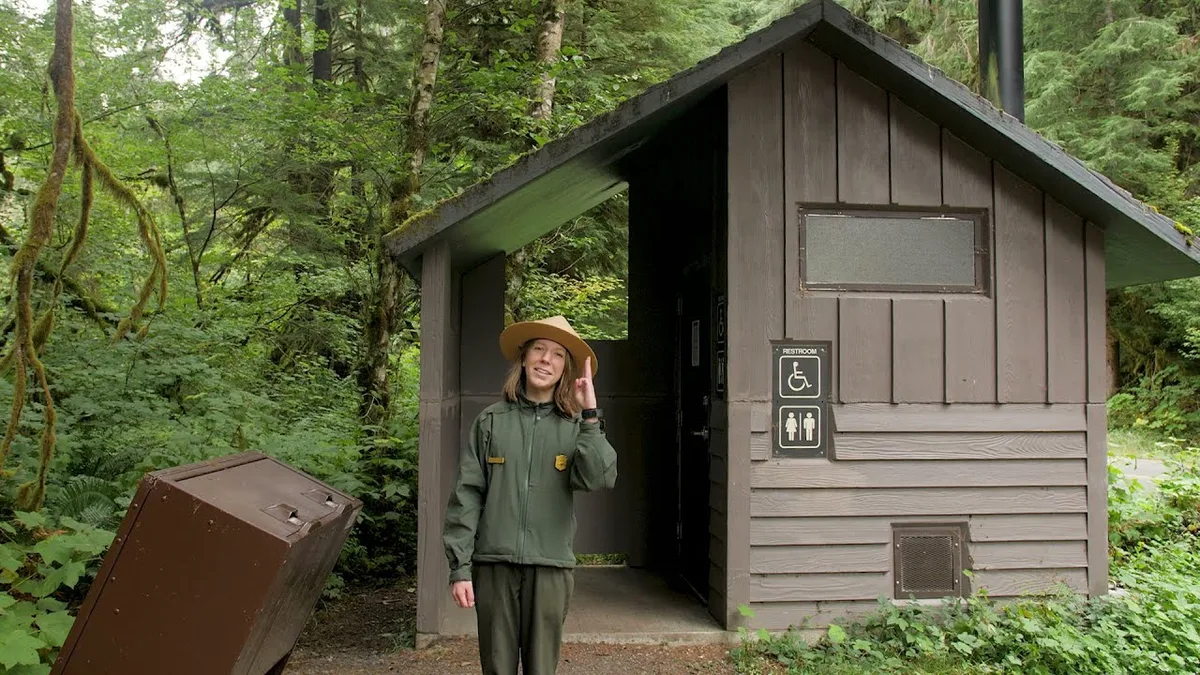
Adhering to Leave No Trace principles is core to responsible dispersed camping.
The LNT principles include: Plan Ahead and Prepare; Travel and Camp on Durable Surfaces; Dispose of Waste Properly; Leave What You Find; Minimize Campfire Impacts; Respect Wildlife; and Be Considerate of Other Visitors. For dispersed campers, “Travel and Camp on Durable Surfaces” means using existing campsites and roads, avoiding damage to vegetation. “Dispose of Waste Properly” is critical, as it includes packing out all trash and managing human waste.
“Minimize Campfire Impacts” means using established fire rings only when fires are permitted and ensuring they are completely out. Understanding and implementing these principles is not just about following rules, it’s about stewardship of the wild places we cherish.
Who is Dispersed Camping For? Understanding the Audience
Dispersed camping appeals to a specific type of outdoor enthusiast, one who values self-reliance, solitude, and a direct connection with nature over creature comforts. It’s often favored by budget travelers who want to avoid campground fees. Van lifers and RVers frequently embrace boondocking as a way to park and camp in beautiful, remote locations without needing hookups.
Backpackers and hikers often find dispersed camping a natural extension of their backcountry pursuits, offering free overnight stops on their journeys.
It’s ideal for those who don’t mind carrying water, managing their own waste, and being free from amenities. If you enjoy the challenge of planning and executing your own adventure, finding your own spot, and being completely self-sufficient, dispersed camping might be perfect for you. However, if you prefer organized campgrounds with restrooms, showers, and readily available water, or if you’re not comfortable with potential wildlife encounters or navigating without cell service, traditional campgrounds may be a better fit.
It’s a choice based on the type of experience you’re seeking.
Safety First: Essential Dispersed Camping Precautions
Dispersed camping is inherently more primitive than staying in a developed campground, which means you need to be more aware of potential safety risks. Being self-reliant means being prepared for a variety of situations, from encounters with wildlife to vehicle issues. Prioritizing safety ensures your adventure is rewarding and doesn’t turn into a crisis.
Always have a plan for communication and emergencies.
Wildlife Encounters
Wildlife is part of the wilderness experience, but it can also pose risks. Bears, mountain lions, and even smaller animals can be curious or aggressive. Proper food storage is paramount.
Always use bear-resistant containers or hang your food properly from a tree if in bear country. Never leave food, scented items, or trash unattended inside your tent or vehicle. Research the common wildlife in the area you’re visiting and learn recommended safety protocols for encounters.
Making noise while hiking can help alert animals to your presence and avoid surprising them.
Human Waste Disposal
Proper disposal of human waste is a critical aspect of responsible dispersed camping. The general rule is to dig a cathole 6, 8 inches deep, at least 200 feet away from water, trails, and campsites. All toilet paper must be packed out in a sealed bag.
Some areas, especially those with sensitive soils or high visitor use, may require you to pack out all solid human waste in specialized portable toilet systems or bags. Always check local regulations for specific requirements; “pack it out” is becoming more common. Using trowels designed for cathole digging can make this process easier and more effective.
Vehicle Preparedness
Your vehicle is often your most critical piece of equipment for dispersed camping. If you plan to travel on unmaintained roads, ensure your vehicle is suitable for the terrain (e.g., high clearance, 4WD). Carry a full-size spare tire, a jack, and tire repair tools, as flat tires are common on rough roads.
Know how to change a tire and be prepared for various weather conditions that could affect road travel, such as mud or snow. Having extra fuel, water, and food in your vehicle is also wise for longer trips or remote locations.
Leaving No Trace: Your Responsibility in the Wild
The entire concept of dispersed camping is built on the foundation of the Leave No Trace (LNT) principles. These seven outdoor ethics guidelines are designed to help you enjoy the outdoors responsibly, minimizing your impact on the natural environment. They are not optional rules; they are essential practices for preserving these wild places for future generations.
Understanding and actively practicing LNT is non-negotiable for anyone who disperses camps.
Adhering to Leave No Trace principles is core to responsible dispersed camping.
The LNT principles include: Plan Ahead and Prepare; Travel and Camp on Durable Surfaces; Dispose of Waste Properly; Leave What You Find; Minimize Campfire Impacts; Respect Wildlife; and Be Considerate of Other Visitors. For dispersed campers, “Travel and Camp on Durable Surfaces” means using existing campsites and roads, avoiding damage to vegetation. “Dispose of Waste Properly” is critical, as it includes packing out all trash and managing human waste.
“Minimize Campfire Impacts” means using established fire rings only when fires are permitted and ensuring they are completely out. Understanding and implementing these principles is not just about following rules, it’s about stewardship of the wild places we cherish.
Who is Dispersed Camping For? Understanding the Audience
Dispersed camping appeals to a specific type of outdoor enthusiast, one who values self-reliance, solitude, and a direct connection with nature over creature comforts. It’s often favored by budget travelers who want to avoid campground fees. Van lifers and RVers frequently embrace boondocking as a way to park and camp in beautiful, remote locations without needing hookups.
Backpackers and hikers often find dispersed camping a natural extension of their backcountry pursuits, offering free overnight stops on their journeys.
It’s ideal for those who don’t mind carrying water, managing their own waste, and being free from amenities. If you enjoy the challenge of planning and executing your own adventure, finding your own spot, and being completely self-sufficient, dispersed camping might be perfect for you. However, if you prefer organized campgrounds with restrooms, showers, and readily available water, or if you’re not comfortable with potential wildlife encounters or navigating without cell service, traditional campgrounds may be a better fit.
It’s a choice based on the type of experience you’re seeking.
Your Takeaway: Making the Right Decision for Your Trip
Successfully finding dispersed camping boils down to a few key actions: thorough research using official maps and regulations, careful scouting for a suitable and legal spot, and a commitment to Leave No Trace principles. It requires more planning than booking a campsite, but the rewards of solitude and immersion in nature are well worth the effort. Always be prepared, stay informed about local rules, and remember that responsible camping helps preserve these incredible places for everyone.
Frequently Asked Questions
Is dispersed camping truly free?
Yes, dispersed camping on public lands like National Forests and BLM lands is typically free. You are not paying for a designated campsite or amenities, but you are expected to follow all regulations and Leave No Trace principles.
How far from a road or water do I need to camp?
Generally, you should camp at least 200 feet from any water source and typically 100-200 feet from established roads. Always check the specific regulations for the area you are visiting, as these distances can vary.
What if I don’t have cell service to check the rules?
This is common in dispersed camping areas. It’s crucial to download maps (like MVUMs) and check regulations for your intended area before you leave home. Ranger stations or BLM offices are also good sources for print maps and current rule updates.
Can I have a campfire when dispersed camping?
Campfires are allowed only when local fire restrictions permit. During dry seasons, fire bans are frequent and strictly enforced. Always check the most current fire status for the specific forest or BLM district immediately before your trip.