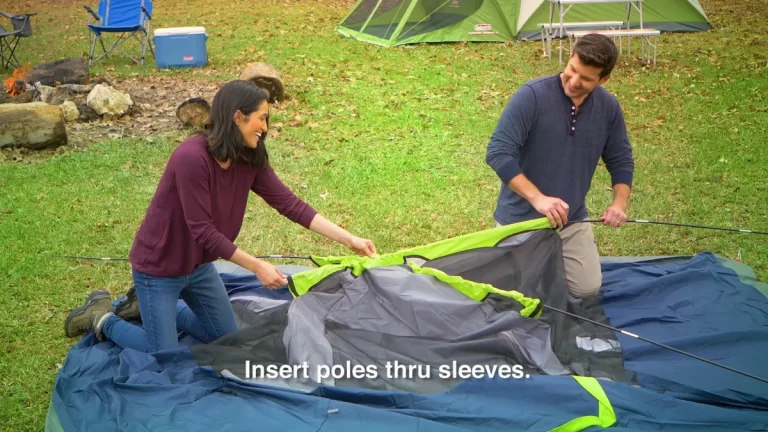
Can You Rent a Camping Tent? Cost, Options & Tips
So, you’re planning a camping trip and wondering, ” Can you rent a camping tent? The short answer is yes, and it might be the smartest move you make this season. Renting a tent gives you access to quality gear without the upfront cost or the hassle of storing a bulky item you’ll only use a few times a year.
In our research, we found that the average rental price for a two-person tent is between $20 and $50 per weekend, depending on the model and location. That’s a fraction of the cost of buying a new mid-range tent, which can run $200 to $500. But the real question isn’t whether you can rent one.
It’s whether renting makes sense for your specific situation.
Quick Answer
Yes, you can rent a camping tent. Rental prices range from $20 to $150 per weekend. You can find tents at outdoor gear shops, national park concessions, and online rental platforms.
Renting is best for occasional campers, travelers, or those testing a tent before buying.
When Renting a Tent Actually Makes Sense (and When It Doesn’t)
Renting a tent isn’t right for everyone. It hinges on one simple rule of thumb: the three-trip rule. If you camp more than three times a year, buying a tent is almost always cheaper in the long run.
If you camp less than that, renting saves you money and storage space.
Here’s a quick look at the numbers over two years:
| Scenario | Trips per Year | Rental Cost (2 yrs) | Buy Cost (1 tent) | Best Move |
|---|---|---|---|---|
| Occasional camper | 1 | $40–$100 | $200–$500 | Rent |
| Weekend warrior | 3 | $120–$300 | $200–$500 | Either |
| Regular camper | 6 | $240–$600 | $200–$500 | Buy |
But cost isn’t the only factor. Renting makes sense when you’re trying a new type of camping. Maybe you want to try backpacking and need a lightweight tent.
Or you’re taking the family car camping for the first time and aren’t sure what size you need. Renting lets you test the waters without committing hundreds of dollars.
On the flip side, renting doesn’t make sense if you camp frequently. That’s when you’ll recover the cost of a new tent within a season or two. It also doesn’t make sense if you’re a picky camper who wants your own gear, set up exactly the way you like it.
Rented tents come with some wear and tear, and you’re limited to what’s available.
The 4 Big Questions That Decide Your Answer
Let’s walk through the four questions that will tell you whether renting is the right call. Answer each one honestly, and you’ll have your decision.
How Often Do You Camp? (The 3-Trip Rule)
This is the biggest factor. If you camp three or more times a year, you’re better off buying. If you camp once or twice a year, renting is the smarter financial choice.
For example, if you take one week-long family trip each summer, renting a six-person tent for $80 per weekend is far cheaper than buying one for $400 that sits in your garage the rest of the year.
What Kind of Camping Are You Doing?
Your trip type matters a lot. Are you car camping with the family? You’ll want a spacious, easy-to-set-up tent.
Are you backpacking into the backcountry? You need a lightweight, packable tent. Renting gives you the flexibility to match the right tent to the trip.
If you’re a weekend warrior who does a mix of both, renting a different tent for each trip is often cheaper than owning two tents.
What’s Your Budget Right Now?
If you have $200 to $500 to spend on a tent, buying is an option. If you’re on a tighter budget, renting a tent for $30 to $80 per weekend lets you get out there without a big upfront hit. You can also use that money to save for other gear, like a good sleeping pad or a reliable stove.
For a top recommendation on a comfortable pad, check out our guide to the lightest sleeping pads for backpacking.
Do You Have Storage Space for a Tent?
Tents take up space. A four-person tent packs down to the size of a large duffel bag. If you live in an apartment or have a small garage, that space might be better used for something else.
Renting eliminates the storage problem. You pick it up, use it, and return it. No bulky box in the corner of your closet.
Renting vs. Buying – The Honest Cost Breakdown
Let’s get real about the numbers. A mid-range four-person tent costs between $200 and $500. A budget-friendly tent might run $80 to $150.
Renting a similar tent costs $50 to $100 per weekend. Here’s how the math works out.

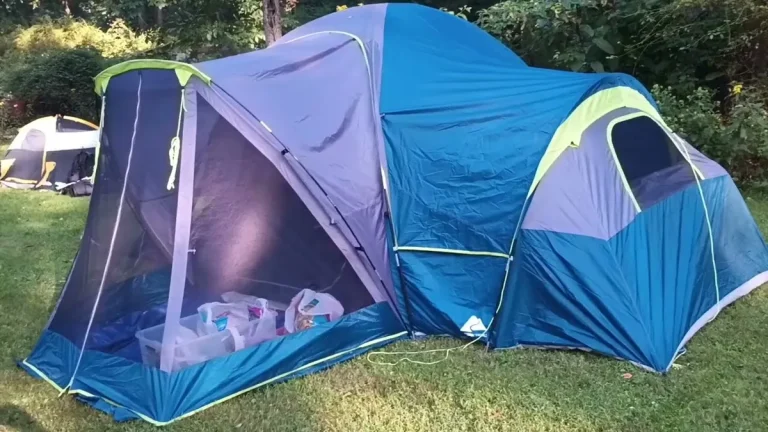
Image source: YouTube / Tents For Rent LLC (YouTube thumbnail (fair-use with source credit))
| Number of Trips | Rental Cost (at $60/trip) | Buy Cost (mid-range tent) | Net Savings |
|---|---|---|---|
| 1 | $60 | $300 | Save $240 |
| 2 | $120 | $300 | Save $180 |
| 3 | $180 | $300 | Save $120 |
| 4 | $240 | $300 | Save $60 |
| 5 | $300 | $300 | Break-even |
| 6 | $360 | $300 | Lose $60 |
The break-even point is around five trips. After that, you’re paying more to rent than you would have spent on a tent you own. But remember, ownership comes with hidden costs.
You’ll need to store the tent, clean it, dry it, and occasionally repair it. Renting includes none of that.
There’s also the quality factor. When you rent, you often get a higher-end tent than you might buy on a budget. Rental fleets tend to carry well-known brands like The North Face, MSR, and Big Agnes.
These tents are durable and perform well in bad weather. If you’re facing a rainy weekend, a quality rental tent beats a cheap new tent every time.
Where to Rent a Camping Tent (Your Real Options)
You have more options than you might think. Here’s where to look, with pros and cons for each.
National Park and State Park Concessions
Many national parks and state parks have on-site gear rental shops. These are often run by concessionaires who stock tents, sleeping bags, and camping stoves. You can walk in, grab a tent, and be at your campsite in minutes.
This is the most convenient option if you’re flying into a park or arriving without gear. The National Park Service provides information on concession services at each park.
Local Outdoor Gear Shops
Independent outdoor stores in gateway towns often rent tents. These shops are staffed by people who know the local trails and conditions. They can recommend the right tent for your trip.
Plus, you’re supporting a local business. The downside is that availability can be limited, especially on holiday weekends.
Big-Box Outdoor Retailer Rental Programs
REI is the most well-known example. Most REI locations offer gear rentals, including tents, sleeping bags, and backpacks. You can reserve online and pick up in-store.
The equipment is well-maintained and often includes a rainfly, footprint, and stakes. REI’s rental program is a solid choice for quality and consistency.
Online Rental Platforms That Ship
Several companies ship tents directly to your home or campground. You book online, they send the gear, and you ship it back after your trip. This is great for convenience, but you need to plan for shipping times.
It also means you can’t inspect the tent before your trip. Make sure you read the rental agreement carefully regarding return shipping costs and damage policies.
Peer-to-Peer Gear Libraries
Some communities have gear libraries where you can borrow outdoor equipment for free or a small fee. These are often run by nonprofits, universities, or outdoor clubs. Check with your local library, recreation center, or outdoor club.
This is the cheapest option, but availability and condition vary widely.
What to Look For When You Pick Up a Rental Tent
Before you leave the rental counter, do a thorough inspection. A few minutes of checking now can save you from a wet, frustrating night later.
Image source: YouTube / Sunshine Fabric Pot (YouTube thumbnail (fair-use with source credit))
Quick Condition Checklist
Run through this list before you accept the tent:
- Zippers: Open and close every zipper on the tent body, rainfly, and storage bag. They should move smoothly without catching.
- Poles: Slide each pole section together. Look for cracks, dents, or bent segments. Flex the poles gently. They should feel springy, not brittle.
- Mesh: Check the mesh doors and windows for tears or holes. Even a small hole lets in bugs.
- Rainfly: Inspect the rainfly for rips, worn spots, or missing tie-down loops.
- Floor: Look for punctures, thin spots, or signs of mold. The floor is the most common place for damage.
- Stakes and guidelines: Count the stakes. Make sure they’re straight and not bent. Check that guylines are present and not frayed.
- Footprint: If the rental includes a footprint, make sure it’s the right size for the tent.
How to Confirm You Have All the Pieces
Count everything before you leave. The rental shop should have a checklist. Go through it item by item.
If something is missing, ask for it now. Don’t assume you’ll figure it out at the campsite.
Why You Should Set It Up in the Parking Lot First
This is the single best piece of advice we can give you. Set up the tent in the parking lot or a nearby grassy area before you leave. This does two things.
First, it confirms that all the parts are there and that the tent works. Second, it gives you a practice run. You’ll learn the setup process in a low-stress environment.
When you arrive at your campsite in the dark or in the rain, you’ll be glad you did.
How to Spot a Tent That’s Seen Too Many Trips
Look for these signs of heavy wear:
- Faded fabric: UV damage weakens the fabric and reduces waterproofing.
- Loose seams: If the seam tape is peeling or the stitching is loose, the tent could leak.
- Musty smell: A strong, mildew odor means the tent wasn’t dried properly after its last trip. That’s a sign of mold growth.
- Broken pole clips: The plastic clips that attach the poles to the tent body can crack over time. Check them all.
If you see any of these issues, ask for a different tent. A good rental shop will swap it out without hesitation.
The Setup Process – What a Rental Tent Will Expect From You
Setting up a rental tent isn’t complicated, but the first time is always a puzzle. The key is knowing the general workflow before you need it at dusk with a cold wind blowing.
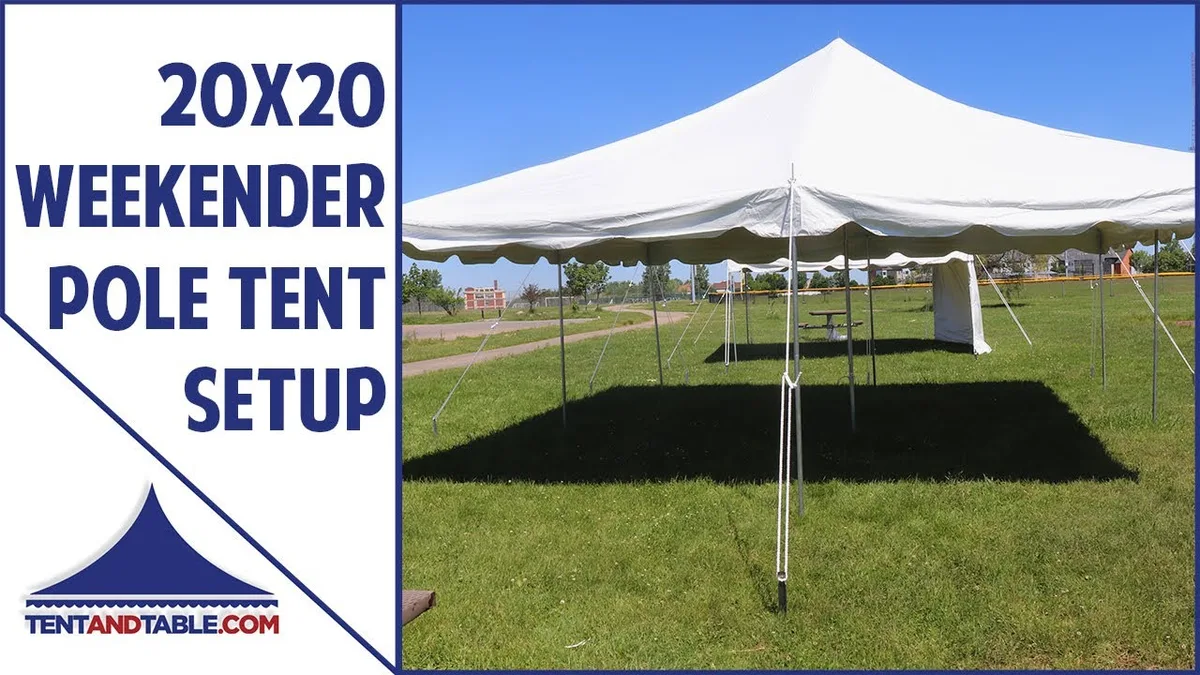
Image source: YouTube / Tent and Table (YouTube thumbnail (fair-use with source credit))
Step by Step: The Standard Setup Sequence
Most rental tents follow the same five-step pattern. Here’s what you’ll do:
- Find a level, clear spot. Remove rocks, sticks, and pine cones. A rocky patch can puncture the floor instantly.
- Lay out the tent body flat. Spread it on the ground with the door facing where you want it.
- Assemble and insert the poles. Connect the pole sections. Slide each pole through the matching sleeve or clip it to the clips. Start at one corner and work around.
- Raise the structure. Lift the poles and push the ends into the corner grommets. The tent will pop up into shape.
- Attach the rainfly and stake it down. Drape the rainfly over the top, clip it at the corners, and stake out all points. Pull guylines tight to create a waterproof seal.
What to Do If the Rental Tent Doesn’t Match the Manual
Sometimes the tent you get isn’t the exact model printed on the bag. Or the manual is missing. That’s normal.
The best workaround is to find a YouTube video for that tent brand and model. Search for “setup [brand name] tent” and watch a two-minute clip. If you can’t get a signal at the campsite, download the video before you leave.
How to Properly Vent a Rented Tent
Condensation is the number one cause of a wet sleeping bag in a rental tent. You’re breathing out moisture all night. If the tent is sealed up tight, that moisture condenses on the walls and drips down.
Open the vents and crack the rainfly door a few inches. Most rental tents have built-in vent flaps. Use them.
Even in a drizzle, you can keep the rain out while letting humid air escape.
Hidden Fees and Rental Agreement Traps (Read This Before You Pay)
Rental agreements exist to protect the shop, not you. The fine print can turn a $50 rental into a $200 headache if you’re not careful. Here’s what to watch for.
Damage Waivers vs. Deposits
Some shops charge a damage waiver fee. Others take a deposit and inspect the tent on return. Know which one you’re dealing with.
A damage waiver is a non-refundable fee that covers normal wear and tear. A deposit is refundable if you return the tent clean and undamaged.
The trap: Some shops charge both a waiver and a deposit. The waiver covers small repairs but the deposit covers the deductible. If the damage exceeds the waiver limit, you still pay out of the deposit.
Ask the rental clerk directly: “If I tear a small hole, what do I owe?” If they can’t give a clear answer, get it in writing.
What Counts as “Normal Wear” vs. Damage
Rental shops have different definitions. Normal wear usually includes minor dirt, light scuffing on the floor, and faded fabric. Damage includes holes, broken zippers, bent poles, and stains from food or tar.
Pro tip: Take photos of the tent’s floor, zippers, and mesh before you set it up. If the shop claims damage that was already there, you have proof. Aggregate user reviews report that this simple step saves hundreds of dollars in disputed fees.
Cleaning and Drying Requirements Before Return
Most rental agreements require you to return the tent clean and dry. If you bring it back wet, the shop may charge a cleaning or mildew fee. Drying a tent at a campsite is tricky.
If the weather is wet, find a covered picnic shelter or drape the tent over your car in the sun before you pack up.
The trap: If you fold a wet tent into its bag and drive two hours back, the fabric can develop mildew by the time you return it. The shop will inspect and may charge you for a professional deep clean. Always dry the tent as thoroughly as possible, even if it means hanging it in your bathroom shower overnight before returning it the next day.
Late Return Penalties
Rental periods are strict. Returning a tent an hour late can trigger a full extra day’s charge. Some shops also charge a $10 to $25 late fee on top.
Plan your return time with a buffer. If you’re driving back from a remote trailhead, add an hour for traffic and road conditions.
Common Mistakes People Make With Rental Tents
These are the things that turn a great trip into a frustrating story. Avoid them.
Not Practicing the Setup Before the Trip
The most common mistake. You arrive at your campsite at 9 p.m. after a long drive. It’s dark.
The wind is picking up. You open the tent bag and find poles that look nothing like what you expected. Suddenly, a 5-minute setup becomes a 45-minute struggle.
Always practice in your living room or yard before you leave.
Forgetting to Bring Repair Supplies
Rental tents don’t come with patch kits. If you rip a seam, you’re stuck. Pack a small repair kit: a strip of duct tape wrapped around a pencil, a few zip ties, and a pole splint (a short section of plastic tubing works).
These items weigh almost nothing and can save your night.
Overlooking the Footprint
The footprint protects the tent floor from abrasion and moisture. Some rental shops include it. Some don’t.
If the rental doesn’t come with a footprint, buy a cheap plastic tarp at a hardware store. Cut or fold it to fit just under the tent floor. A tarp that sticks out beyond the tent edges will collect rainwater and funnel it under your tent.
Keep the tarp tucked in.
Setting Up Under a Dead Tree Branch
This sounds dramatic, but it happens. Look up before you pitch your tent. A dead branch, called a widowmaker, can fall in a windstorm.
Choose a spot away from overhead hazards. The same goes for loose rocks on a hillside.
How to Decide in 5 Minutes (Your Decision Guide)
You’ve read the options. Now here’s a simple decision tree. Answer each question and follow the path.
Decision Flowchart
Question 1: Do you camp more than 3 times a year?
- Yes → Buy a tent. You’ll hit the break-even point within a year. Consider a high-quality backyard camping tent that can handle family trips.
- No → Go to Question 2.
Question 2: Are you trying a new type of camping (backpacking, family, festival)?
- Yes → Rent. You need the right tent for this specific trip. Renting lets you test without commitment.
- No → Go to Question 3.
Question 3: Do you have storage space at home?
- Yes → Buy a budget tent ($80 to $150). You own it, no rental hassle.
- No → Rent. Storage is a real cost. Pay for the trip, not for the closet.
When to Walk Away and Buy a Budget Tent Instead
If your total rental cost over two years will exceed the price of a decent budget tent, just buy one. Budget tents from Coleman, Wenzel, or Core cost $80 to $150. They aren’t ultralight, but they work for car camping.
If you camp twice a year for two years, renting at $60 per trip costs $240. That’s more than the tent itself. Buy the tent and use it for years.
When to Absolutely Rent the Premium Tent
If your trip involves challenging weather, altitude, or weight constraints, rent a premium tent. Brands like MSR, Big Agnes, and The North Face cost $400 to $600 new. Renting one for a 4-day backpacking trip costs $40 to $70.
That’s a no-brainer for access to a 3-pound tent that sheds wind and rain like a pro. You get the performance without the price tag.
Real-World Scenarios That Show How It Plays Out
Here’s how the decision looks in real life.
The First-Time Camper
Sarah wants to take her two kids camping for a weekend. She’s never owned a tent. Renting a 6-person tent costs $65 for the weekend.
She practices setup in her yard. The trip goes well, but the kids aren’t into it. She returns the tent.
Total cost: $65 plus gas. Buying a tent would have been a $300 mistake.
The Weekend Festival Goer
Jake goes to Bonnaroo every year. He only needs a tent for that one weekend. Renting a simple pop-up tent costs $30.
He arrives with just a duffel bag. He returns the tent before driving home. No storage, no maintenance.
He’s been doing this for five years. Total cost: $150. Buying a festival tent would have cost the same and taken up closet space year-round.
The Thru-Hiker Resupplying in Town
Mia is hiking the Pacific Crest Trail. She needs a lightweight tent for a 100-mile section after a town resupply. Renting an ultralight tent from a local gear shop costs $40 for a week.
She doesn’t want to carry a heavy tent. She doesn’t own an ultralight. Renting is her only practical option for that section.
The Family Trying a New Camping Style
The Parkers have been car camping for years. They want to try a backpacking trip. Instead of buying a $400 ultralight tent they might hate, they rent one for $50.
After a weekend with it, they realize they need more room for two adults and a child. They now know what size to buy. The rental saved them from a costly mismatch.
FAQs – The Questions People Actually Ask
How much does it cost to rent a camping tent?
Expect to pay $20 to $50 per weekend for a two-person tent. Larger family tents run $50 to $150 per weekend. Deposits range from $50 to $200 and are refunded on return.
Can I rent a tent for a week?
Yes. Most rental shops offer weekly rates that work out cheaper than daily rates. A typical weekly rental costs three to four times the weekend price.
Ask about extended rental discounts.
Do I need to clean the tent before returning it?
Yes. The rental agreement usually requires a clean, dry tent. Brush off dirt and debris.
Dry it thoroughly. A wet tent returned in the bag can trigger a mildew cleaning fee.
What happens if I damage the tent?
It depends on the agreement. Some shops charge a flat damage fee. Others deduct from your deposit.
Minor wear like scuffs usually falls under normal wear. Holes and broken zippers count as damage.
Can I rent a tent and have it shipped to me?
Several online platforms ship tents to your home or campground. You pay for shipping both ways. Reserve early to account for transit times.
Check the return policy for damage and cleaning requirements.
Is it cheaper to rent or buy a tent for one trip?
Renting is cheaper for a single trip. A $60 rental beats buying a $300 tent you’ll use once. If you camp more than five times, buying becomes the better deal.
Final Verdict: Rent If… Buy If…
Rent if you camp once or twice a year. Rent if you’re trying a new type of camping or flying to a destination. Rent if you don’t have storage space.
Rent if you want to test a premium tent before buying one.
Buy if you camp three or more times per year. Buy if you own a car and have a closet or garage. Buy if you want your own gear, set up exactly your way.
Buy if the rental cost over two years exceeds the price of a decent budget tent.
The decision comes down to frequency and convenience. For most occasional campers, renting is the smarter, cheaper, and more flexible move. For regulars, buying pays for itself in a season or two.
Either way, you’re getting outside. That’s what matters.